


Saguaro
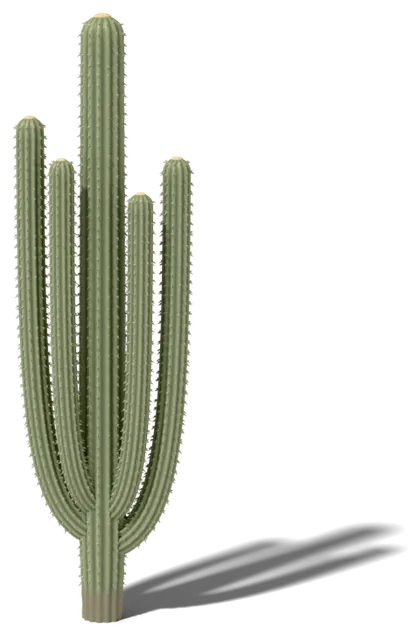
One tall trunk; arms start well up
Southern Arizona, Sonora and a sliver of California
40–50 ft; record 78 ft
 LoamChart
Home Saguaro Cactus Age Chart
How old a saguaro is by its height. Seven saguaros drawn to scale from 10 to 200 years, average growth at three Sonoran Desert sites, and how the plant survives drought, feeds bats and houses owls.
Contents
The same plant at ten ages, drawn to one scale beside a 5′9″ person. Heights follow the average growth at a typical Tucson-area site. Drag the slider or press play.







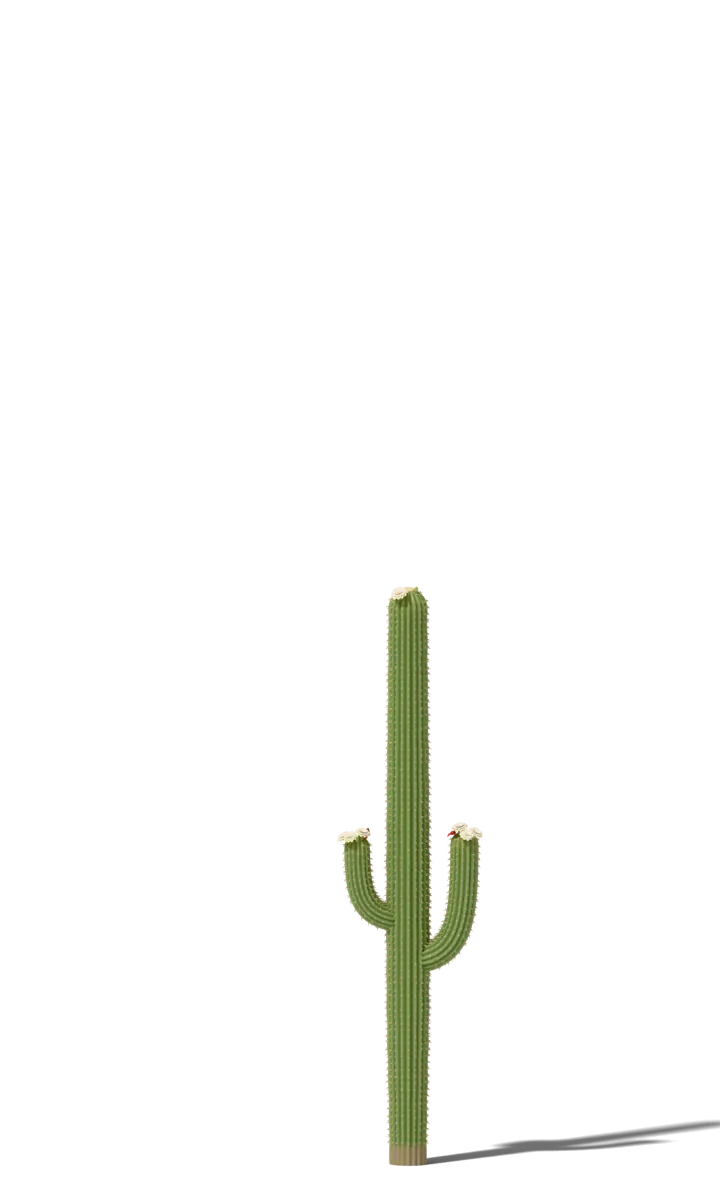
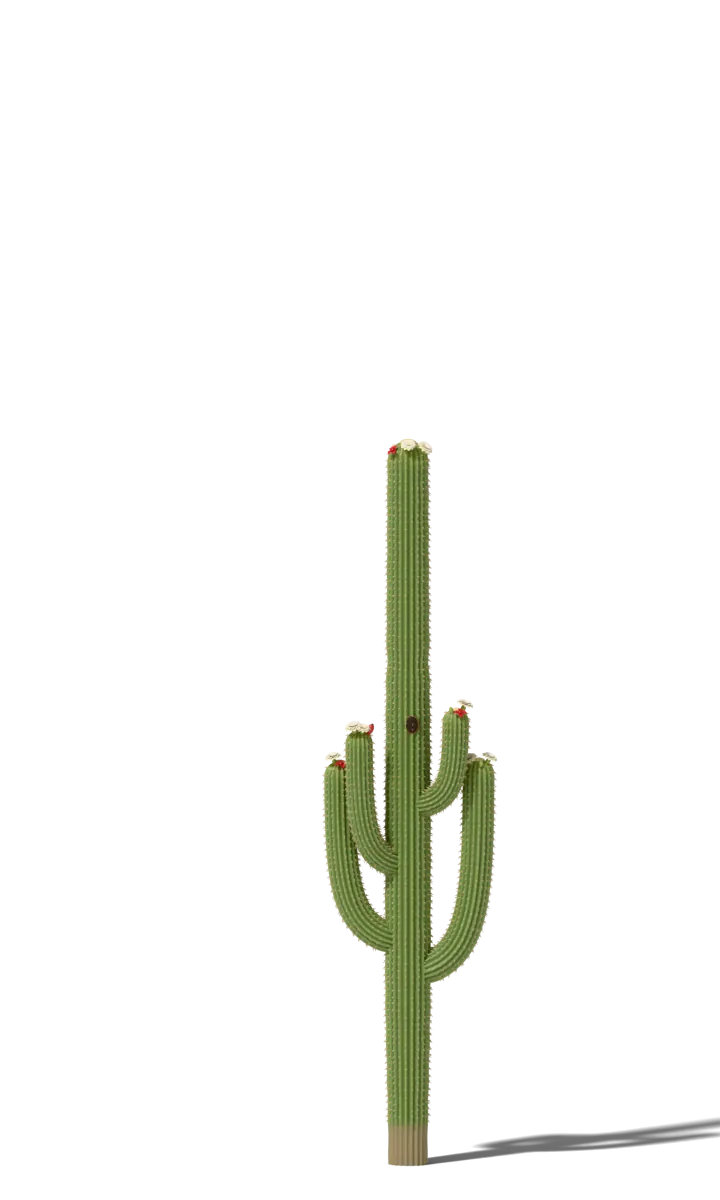
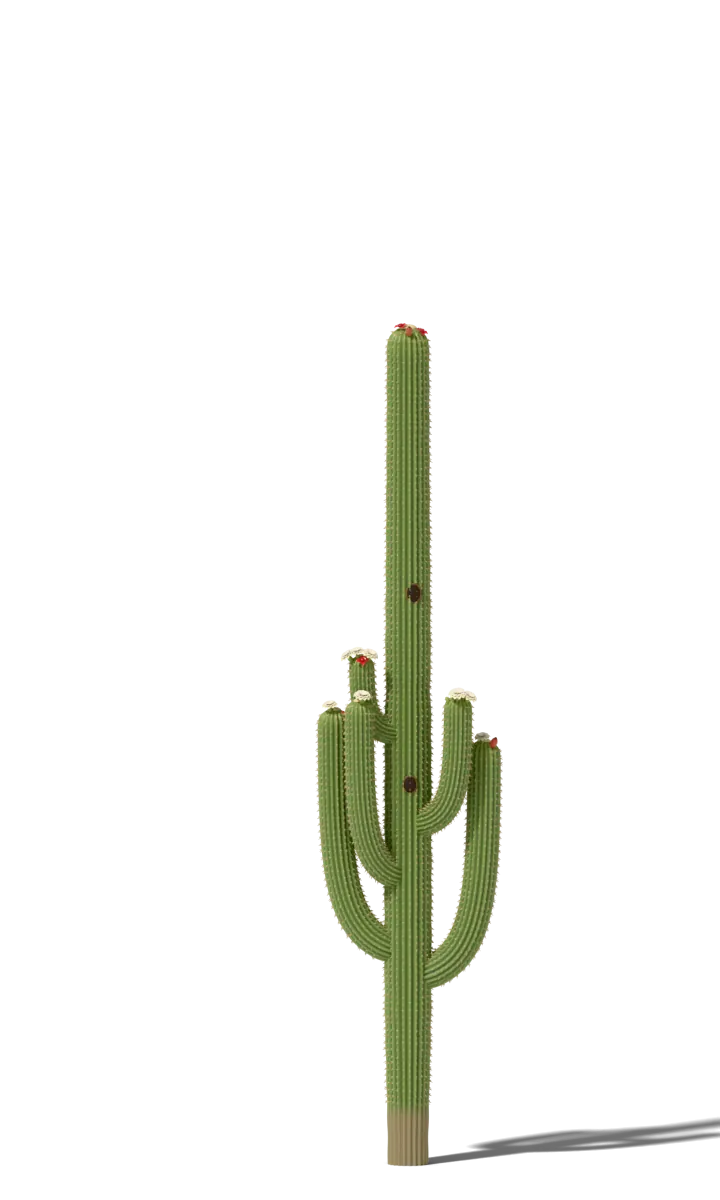
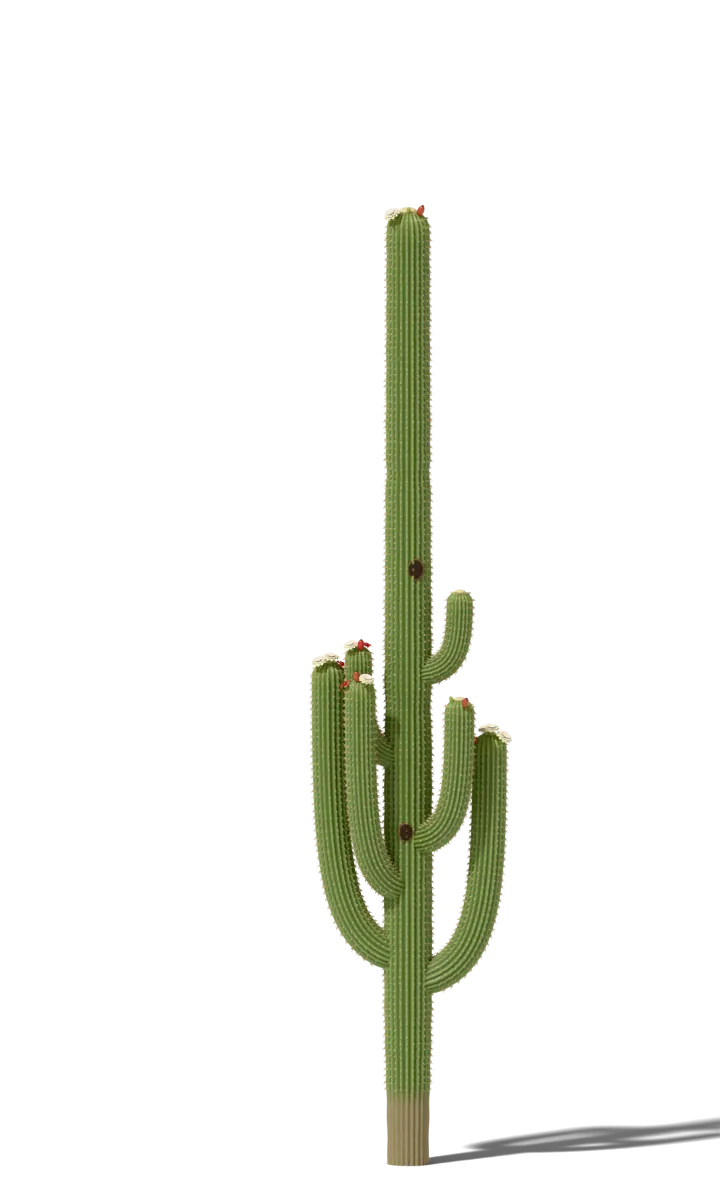

Figure 2. Left scale: feet; right scale: metres.Circle: close-up of a plant too small to see at this scale.
50 years old
| Height | 6.9 ft 2.1 m tall, typical site |
|---|---|
| Arms | 0 usual range at this age |
| Weight | ~550 lb trunk alone, at ~80 lb per foot (rough) |
Heights to 150 years are averages from Hodge (1991). Older plants are rough estimates, and any one saguaro can be much taller or shorter.
Enter a saguaro’s height and the kind of site it grows on. The estimate reads the age off measured average growth curves for three sites with different rainfall.
Stand back and compare the cactus with a person or a doorway (about 6½–7 ft). Measure to the top of the main stem, not an arm.
Likely range: 80–100 years, taken half-way to the next wetter and drier growth curves, because rainfall varies even within one site.
 Wetter site~70 yrs
 Typical site~90 yrs
 Drier site~115 yrs
There is no exact way to age a wild saguaro. Growth swings with rainfall, soil, frost and slope, so treat these as rough estimates, not birth certificates.
Wetter · Saguaro NP East · ~12 in rain/yrTypical · Saguaro NP West · ~10 inDrier · Organ Pipe NM · ~7.5 inBrass pin: your 20.0 ft saguaro ≈ 90 years on the typical curve

Figure 3. Hover over or tap the chart for the measured heights. More rain means faster growth: by 50 a saguaro averages about 12 ft at the wetter site but under 3 ft at the drier one. Data: Hodge (1991), via the Arizona-Sonora Desert Museum.
| Site | 10 yrs | 20 yrs | 30 yrs | 40 yrs | 50 yrs | 75 yrs | 100 yrs | 125 yrs | 150 yrs |
|---|---|---|---|---|---|---|---|---|---|
| Wetter | 2.7 in | 18 in | 4.1 ft | 7.9 ft | 12.3 ft | 22.5 ft | 30.4 ft | 36.8 ft | 41.8 ft |
| Typical | 1.5 in | 8 in | 1.9 ft | 4.0 ft | 6.9 ft | 15.9 ft | 24.1 ft | 30.3 ft | 35.1 ft |
| Drier | 1 in | 4 in | 11 in | 1.8 ft | 2.9 ft | 8.1 ft | 15.9 ft | 22.8 ft | 28.5 ft |
| Growth per year, typical | 0.15 in | 0.66 in | 1.5 in | 2.5 in | 3.5 in | 4.3 in | 3.9 in | 3.0 in | 2.3 in |
| Flowers | Usually at least 35 years old; the first blooms come at about 8 ft. |
|---|---|
| Arms | A first arm appears at about 50–100 years; many arms usually means 125+. |
| Under 2 ft | Probably 10–30 years old, often in the shade of a nurse tree. |
| ~4 in a year | The most a saguaro adds, even in its fastest years. |
The age ranges overlap because every plant runs on its own clock. Rain-starved saguaros reach each stage later, and some never grow an arm.
Figure 4. Age ranges for each stage, in years.
days after a summer rain, in a nurse tree’s shade
tiny, spiny and easy to miss; most seedlings die
past the riskiest years; few die from here on
at about 8 ft tall (the Park Service says from ~35 years)
later where rain is scarce; some never branch
full size, several arms, often 30 ft or more
average life 150–175 years; a few top 200 and 45–50 ft
A seed sprouts days after a summer rain, and the seedlings that live are usually sheltered by a nurse tree such as a palo verde or mesquite, which shades them from sun and frost and hides them from hungry animals.
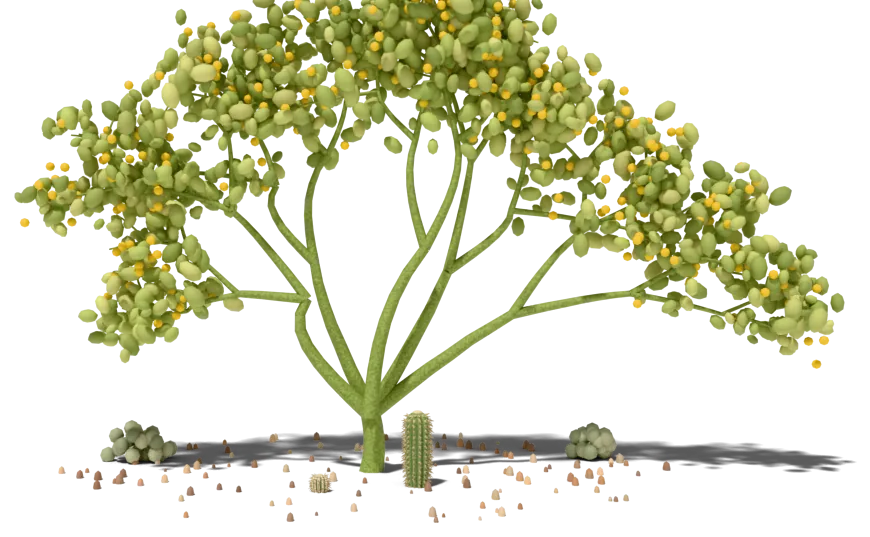
| 20–40 million | seeds a saguaro may make in its lifetime |
|---|---|
| 1 or 2 | of them, perhaps, ever become adults |
| 1–1½ in | a typical height at age 10: easy to miss |
Most seedlings die in their first years. After about 40, when a saguaro is around 3 ft tall, few die from here on.
Slice through the stem and you find an accordion of pleats wrapped round a ring of woody rods. Switch between a stem after a soaking rain and the same stem in a long drought.


Pleats swell, the skin smooths outThe stem fattens as it soaks up water
Figure 6. Stem cross-sections, both drawn at the same scale.
| ~200 gal | soaked up in days after a big rain |
|---|---|
| 80 lb/ft | a water-filled trunk; adults weigh tons |
| ~80% | of its water can go before it dies |
| At night | it opens its pores (CAM) to save water |
| 4 in deep | shallow roots grab light rain fast |
| Below 15 °F | long hard freezes can kill it |
Roots: a 40 ft saguaro’s roots reach about 40 ft out but stay in the top 4 in (10 cm) of soil, plus a 2–5 ft taproot.
The saguaro blossom is Arizona’s state wildflower. From late April to early June, creamy blossoms crown the stem and arm tips; peak bloom is mid-May to mid-June. Each flower lasts less than a day. Slide through a day and night.
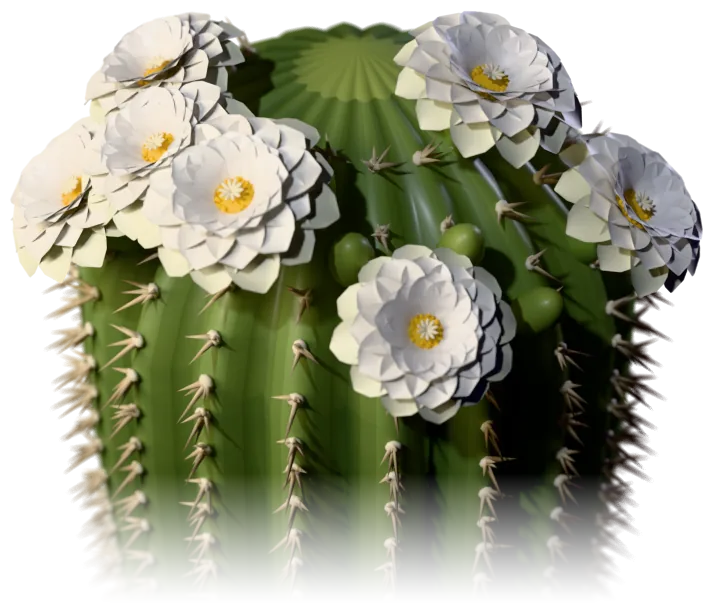
Times are approximate: a blossom opens around 10 pm and closes by about 3 pm the next afternoon.

Choose a month on the ring to see what the plant and the weather are doing.

Figure 9. The saguaro’s year as a ring, January at the top.
Peak bloom begins in mid-May while the desert is at its driest. Bats work the flowers by night.
Birds, bats and mammals live on, in and around a saguaro, from the woodpeckers that dig the holes to the owls that move in later.
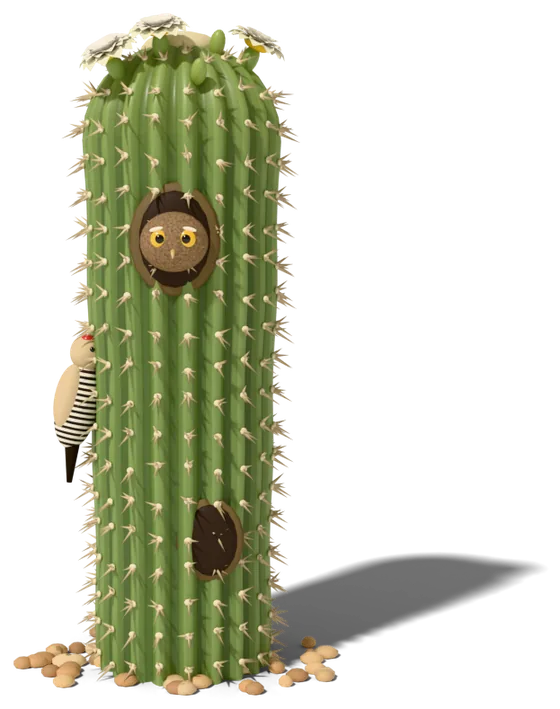
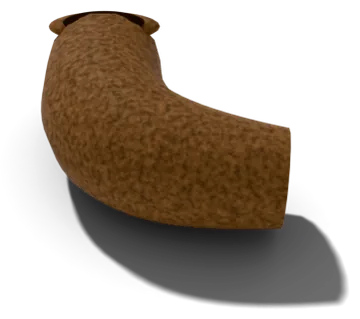
The saguaro boot
The hard scar tissue lining an old nest hole. It outlasts the cactus and is often found on the ground after a saguaro dies.
Five other tall cacti, and one strange saguaro, get mistaken for the real thing. The models below are not to scale.
One tall trunk; arms start well up
Southern Arizona, Sonora and a sliver of California
40–50 ft; record 78 ft
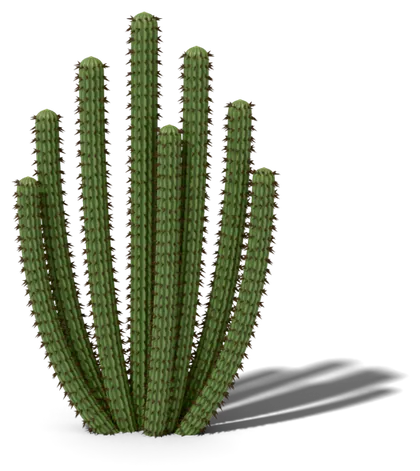
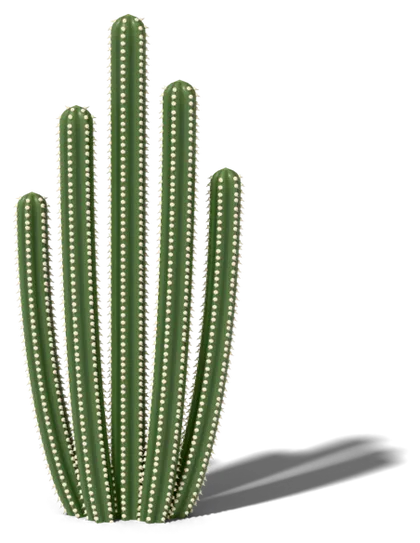
Many stems rise from the base
Organ Pipe NM (Arizona), Sonora and Baja
10–20 ft
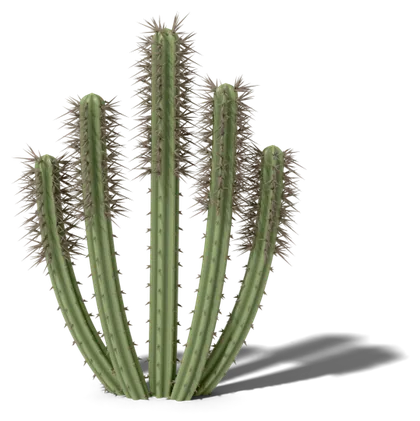
5–8 deep ribs; grey, shaggy “beard” on top
Southern edge of Organ Pipe NM, Sonora and Baja
to about 20 ft
Huge, bulky trunk; arms branch low
Baja California and coastal Sonora
to ~60 ft; very bulky
Straight posts; 5–7 ribs lined in white
Central Mexico; a garden plant in Arizona
to about 15 ft
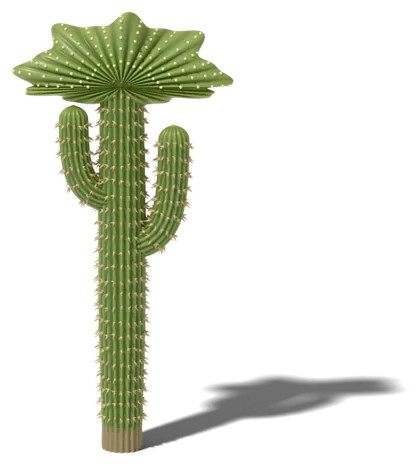
A rare fan-shaped crest at the tip
About 75 of the 1.9 million saguaros in Saguaro NP
cause still unknown
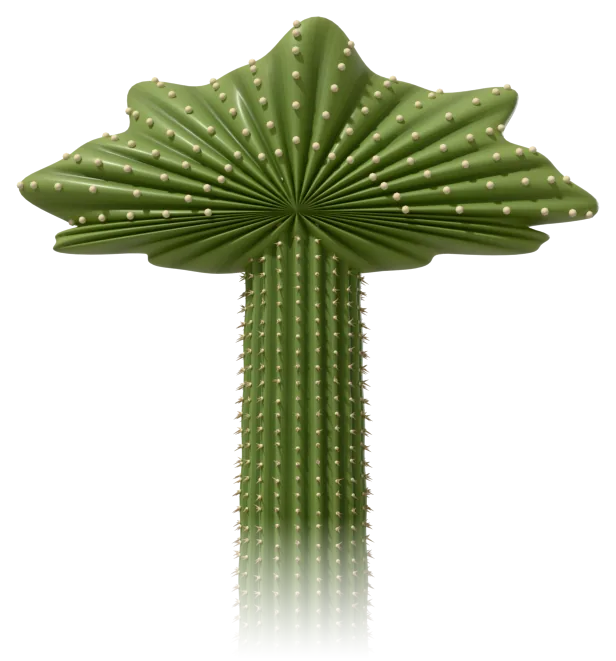
Now and then the growing tip of a saguaro fans out into a wavy crest instead of a rounded dome. Only about 75 of the 1.9 million saguaros in Saguaro National Park are crested, and the cause is still unknown.
A crest can form on the main stem or on an arm. It is still a saguaro: count its age the same way, by the height of the main stem.
Clue: Organ Pipe NM (Arizona), Sonora and Baja.
Wild saguaros grow in one desert only, between the frost to the north and east and the dry lowlands to the west.
 Phoenix
Tucson
Hermosillo
Organ Pipe NM
Moving or planting a saguaro is mostly about patience. These steps follow University of Arizona Cooperative Extension advice (AZ1932).
every 3 weeks or so in summer, once the first 2–4 dry weeks after planting are over. Let the soil dry between soakings; water less in cool weather.
Under 2 ft: a young saguaro this size nearly always survives a move. Larger plants are much harder to transplant.
Saguaros are protected by Arizona law, and the main threats are fire, freezes, drought and land clearing.
 Arizona native plant law
General information, not legal advice. Check current state and city rules (Arizona Revised Statutes, Title 3, ch. 7) before moving a plant.
All figures are approximate. Growth varies with rainfall, soil, frost and site; ages are estimates, heights beyond 150 years are rough extrapolations, and legal notes are general information, not legal advice.