
Onion Growth Stages Chart
Ten stages from seed to a cured bulb, the day length that tells an onion to start bulbing, and what to plant, feed, water and harvest at each stage. Find the right onion type for your state and work out your own dates.
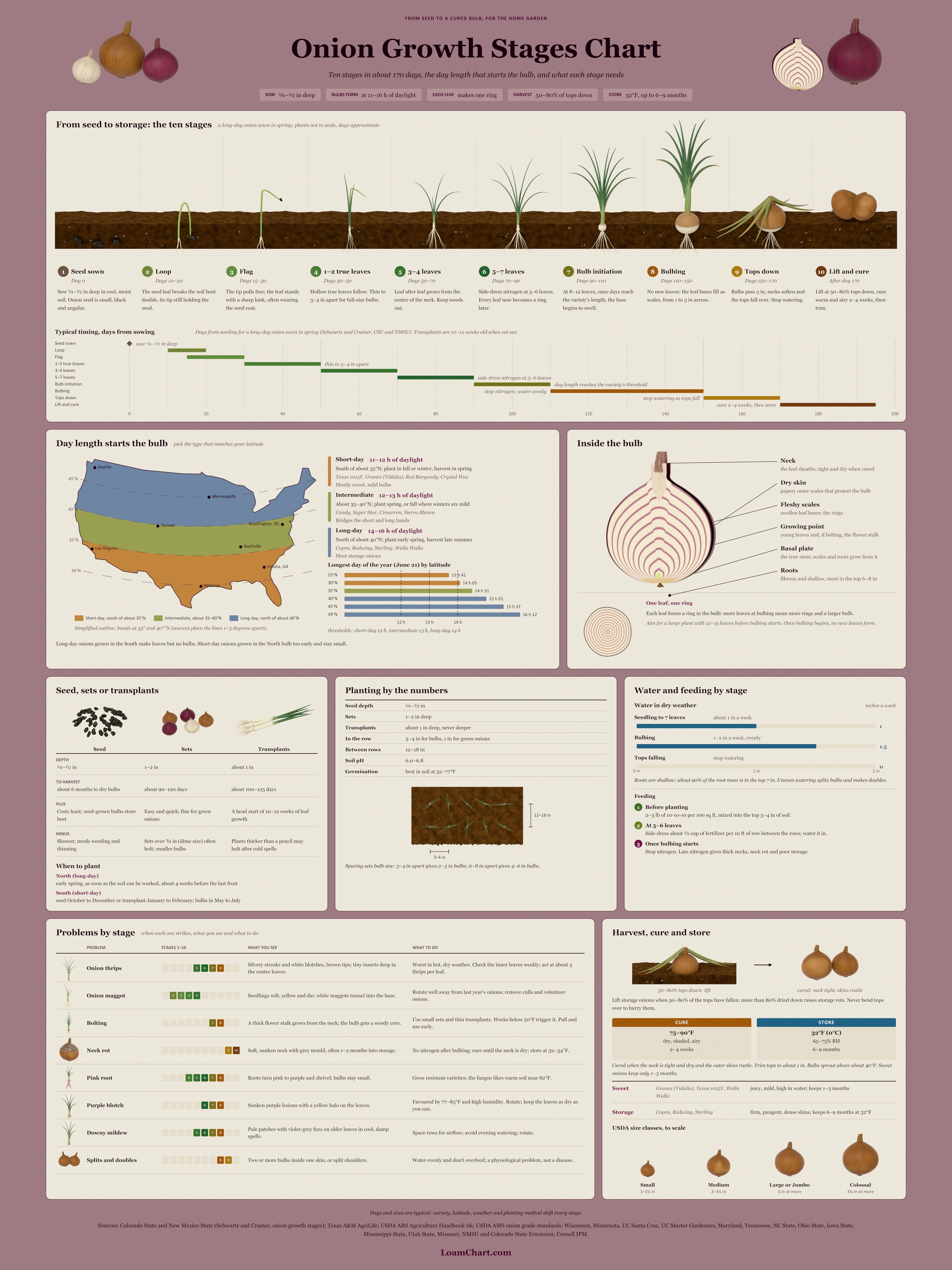
1.Ten stages from seed to cured bulb
An onion spends its first months making leaves and only later turns them into a bulb. The days below are counted from sowing for a long-day onion sown in spring; transplants and sets join the timeline partway. Step through the stages to see each plant in the row and what it needs.
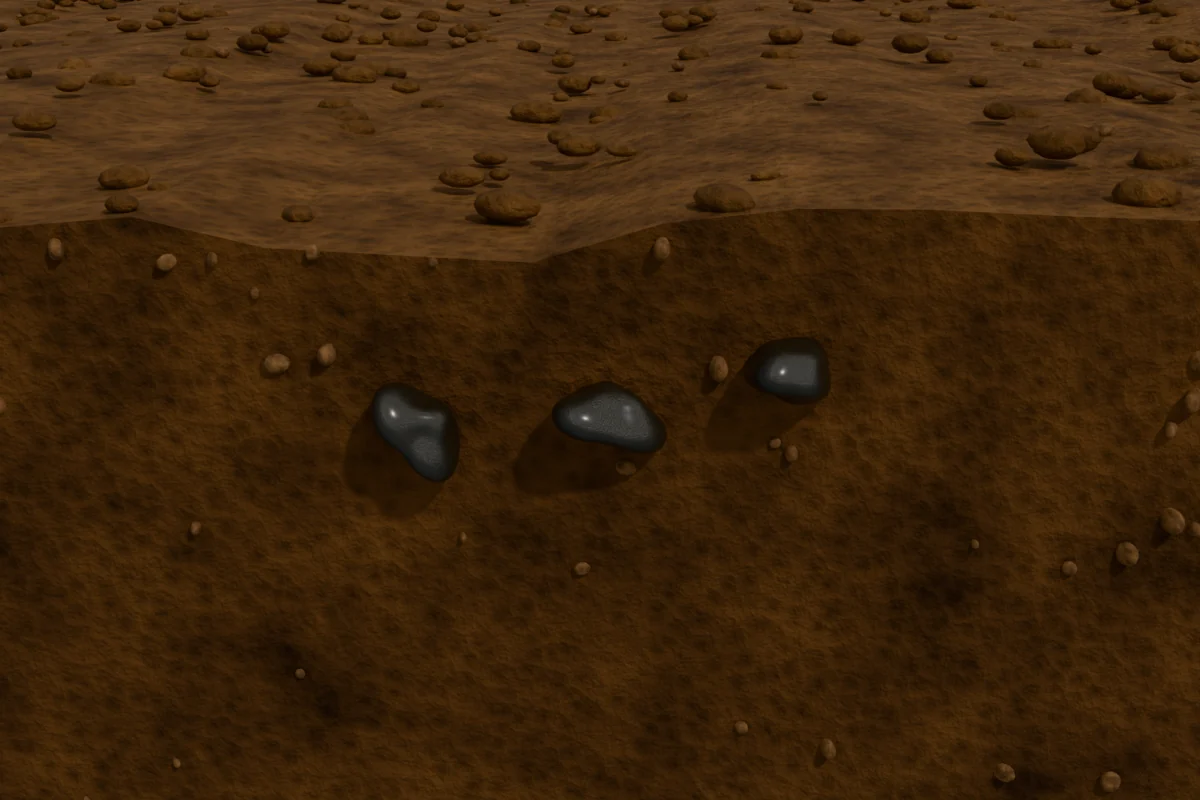
Seed sown
Day 0 from sowingSow ¼–½ in deep in cool, moist soil. Onion seed is small, black and angular.
What to do nowSow ¼–½ in deep in rows 12–18 in apart and keep the seed bed moist.
Days from sowing, 0 to 200. The coloured bar is the stage shown.
2.Day length decides when bulbs form
An onion starts its bulb when the days grow long enough for its type. Short-day onions bulb at about 11 to 12 hours of daylight, intermediate types at 12 to 13 and long-day types at 14 to 16 hours. Plant a type that matches your latitude: long-day onions in the South make leaves but no bulbs, and short-day onions in the North bulb too early and stay small.

Plant early spring, harvest late summer. Try Copra, Redwing, Sterling, Walla Walla.
You are near a band edge, so the neighbouring type can also work.
- Longest day at 41°N15 h 08
- Days pass 12 hMar 19
- Days pass 13 hApr 10
- Days pass 14 hMay 3
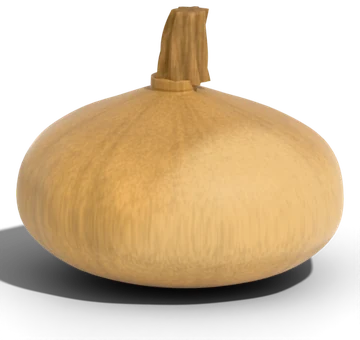
Short-day11–12 h of daylight
South of about 35°N; plant in fall or winter, harvest in spring. Mostly sweet, mild bulbs.
Texas 1015Y, Granex (Vidalia), Red Burgundy, Crystal Wax
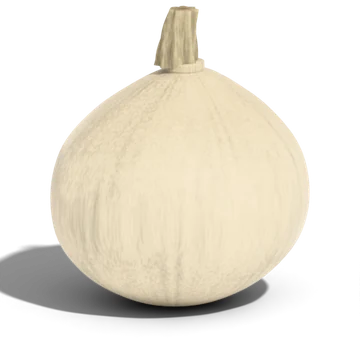
Intermediate12–13 h of daylight
About 35–40°N; plant spring, or fall where winters are mild. Bridges the short and long bands.
Candy, Super Star, Cimarron, Sierra Blanca
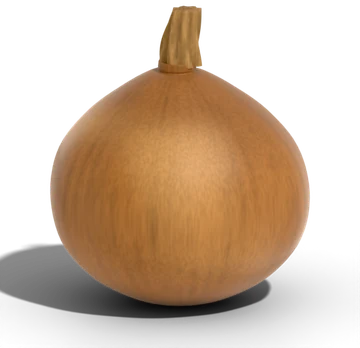
Long-day14–16 h of daylight
North of about 40°N; plant early spring, harvest late summer. Most storage onions.
Copra, Redwing, Sterling, Walla Walla
3.Seed, sets or transplants
Onions can start from seed, from sets (small dry bulbs grown the year before) or from bare-root transplants sold in bundles. Seed is cheapest and stores best; sets are quickest but bolt if they are large; transplants give the plant a head start on leaves, which is what makes a big bulb.
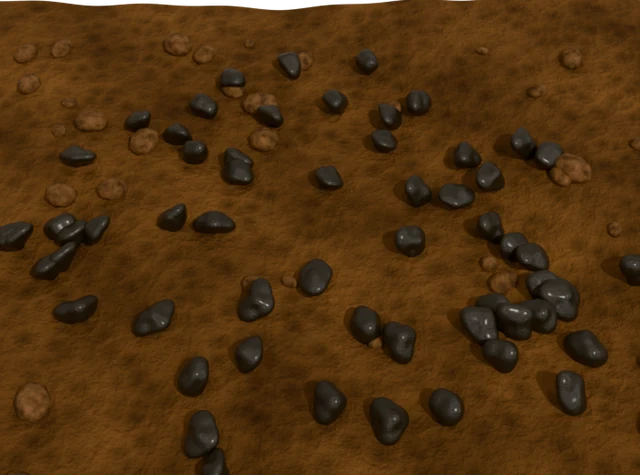
Seed
- Depth
- ¼–½ in
- To harvest
- about 6 months to dry bulbs
- Plus
- Costs least; seed-grown bulbs store best
- Minus
- Slowest; needs weeding and thinning
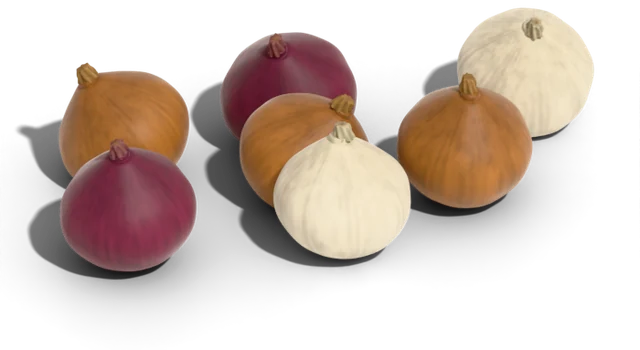
Sets
- Depth
- 1–2 in
- To harvest
- about 90–120 days
- Plus
- Easy and quick; fine for green onions
- Minus
- Sets over ¾ in (dime size) often bolt; smaller bulbs
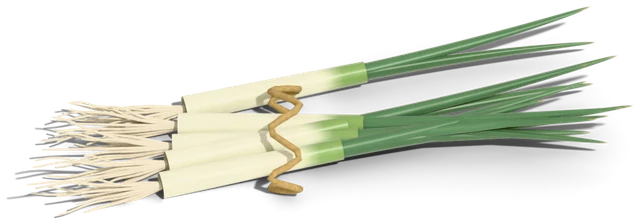
Transplants
- Depth
- about 1 in
- To harvest
- about 100–125 days
- Plus
- A head start of 10–12 weeks of leaf growth
- Minus
- Plants thicker than a pencil may bolt after cold spells
4.Planting and harvest dates
Pick how you are planting and when. The dates use typical days from extension sources and the day length at your latitude from section 2, so treat them as a plan to check against the plants.
Latitude 41°N, from section 2. Change your state or latitude there.
- Apr 15PlantTransplants about 1 in deep, 3–4 in apart in rows 12–18 in apart.
- May 13 to May 20Side-dress nitrogen4–5 weeks after planting: about ½ cup of fertilizer per 10 ft of row, watered in.
- May 3Days pass 14 h at 41°NThe long-day threshold. Bulbing follows once the plant has 8–12 leaves and the weather warms; stop nitrogen then.
- Jul 10 to Aug 11Ease off wateringCut back 1–2 weeks before harvest and stop as the tops fall.
- Jul 24 to Aug 18Lift the bulbsLift when 50–80% of the tops are down.
- Aug 7 to Sep 15Cured2–4 weeks warm, dry and airy, until the necks are tight. Trim tops to about 1 in.
- ThenStoreStorage types keep 6–9 months at 32°F and 65–75% humidity.
5.Every leaf becomes a ring
A bulb is a short stem, the basal plate, wrapped in swollen leaf bases. Each leaf the plant grew before bulbing becomes one ring, so the more leaves at bulbing, the bigger the bulb. Once bulbing starts, no new leaves form. Select a number to find each part.

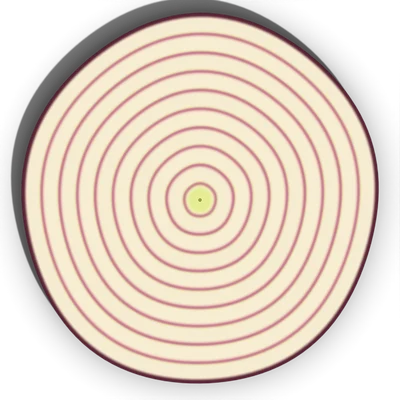
Texas A&M: each leaf forms a ring, so more leaves means more rings and larger bulbs. UC Santa Cruz: aim for a large plant with 12–15 leaves before bulbing starts.
Spacing sets the size
3–4 in apart: bulbs about 2–3 in across, the medium size class. The usual spacing for storage onions.
6.Feeding and watering by stage
Onion roots are shallow, with about 90% of the root mass in the top 7 inches, so they need steady water and early nitrogen. Feeding stops once bulbs start to form, and watering stops as the tops fall.
| Stage | Water | Feed |
|---|---|---|
| Before planting | Moist soil for sowing or planting | 2–3 lb of 10-10-10 per 100 sq ft, mixed into the top 3–4 in of soil. |
| Seedling to 7 leaves | About 1 in a week | Side-dress about ½ cup of fertilizer per 10 ft of row between the rows; water it in. |
| Bulbing | 1–2 in a week, evenly | Stop nitrogen. Late nitrogen gives thick necks, neck rot and poor storage. |
| Tops falling | Stop watering | None |

| Seed depth | ¼–½ in |
|---|---|
| Sets | 1–2 in deep |
| Transplants | about 1 in deep, never deeper |
| In the row | 3–4 in for bulbs, 1 in for green onions |
| Between rows | 12–18 in |
| Soil pH | 6.0–6.8 |
| Germination | best in soil at 52–77°F |
| North (long-day) | Early spring, as soon as the soil can be worked, about 4 weeks before the last frost |
| South (short-day) | Seed October to December or transplant January to February; bulbs in May to July |
7.Harvest, curing and storage
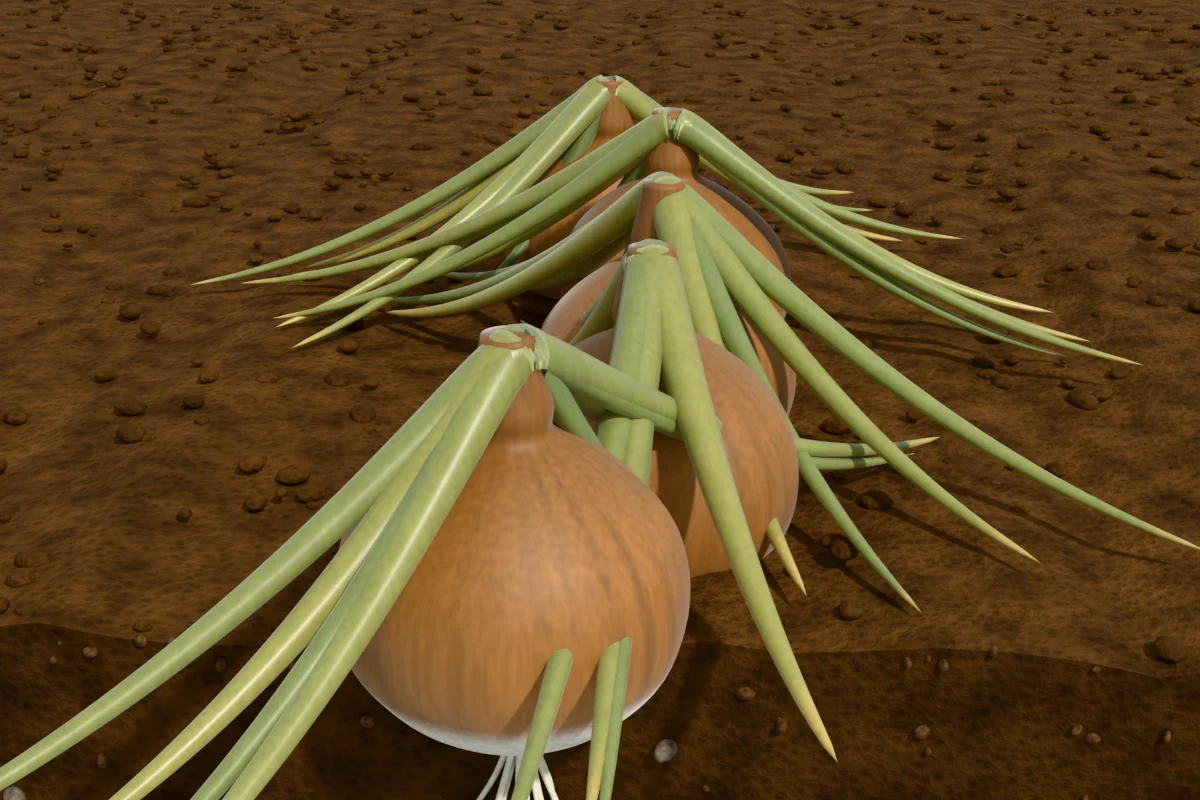
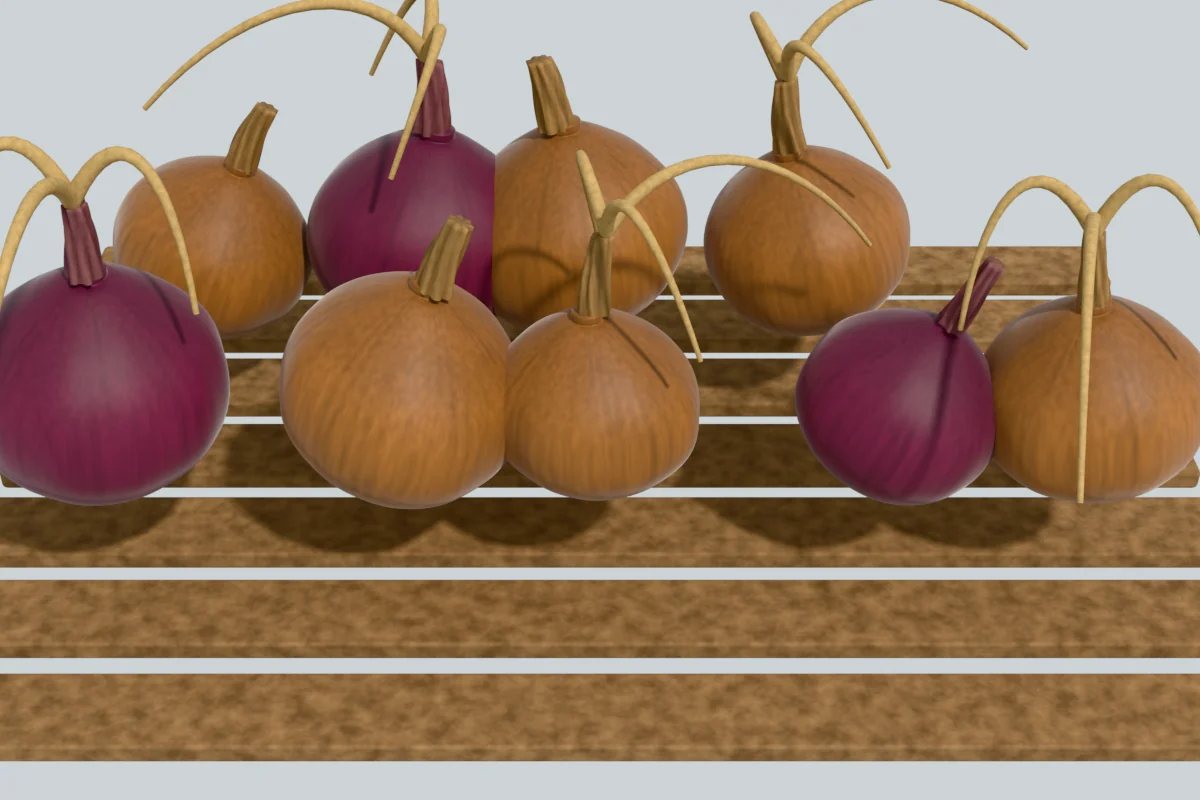
Storage onions are ready to lift when 50–80% of the tops have fallen over; letting more than 80% dry down raises storage rots. Never bend the tops over to hurry them. Cure the bulbs warm, dry and airy until the necks are tight and the skins rustle, then trim the tops to about an inch.
| Cure | 75–90°F, dry, shaded, airy, 2–4 weeks |
|---|---|
| Store | 32°F (0°C), 65–75% RH, 6–9 months |
| Ready | Cured when the neck is tight and dry and the outer skins rustle. Trim tops to about 1 in. |
| Watch | Bulbs sprout above about 40°F. Sweet onions keep only 1–3 months. |
| Sweet | Juicy, mild, high in water; keeps 1–3 months. Granex (Vidalia), Texas 1015Y, Walla Walla |
|---|---|
| Storage | Firm, pungent, dense skins; keeps 6–9 months at 32°F. Copra, Redwing, Sterling |

8.Problems by stage
Most onion troubles strike at a particular stage. Choose a stage to see what to watch for then, or show them all.
All 8 problems.
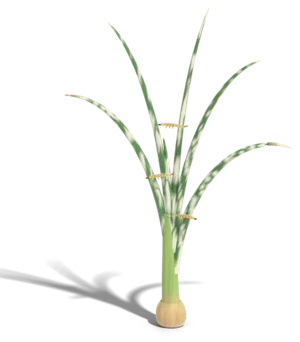
Onion thrips
What you seeSilvery streaks and white blotches, brown tips; tiny insects deep in the centre leaves.
What to doWorst in hot, dry weather. Check the inner leaves weekly; act at about 3 thrips per leaf.
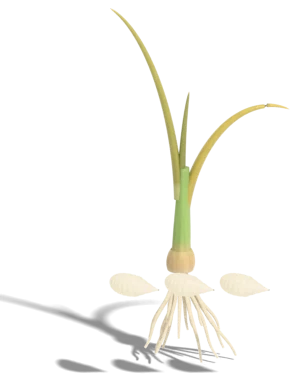
Onion maggot
What you seeSeedlings wilt, yellow and die; white maggots tunnel into the base.
What to doRotate well away from last year's onions; remove culls and volunteer onions.
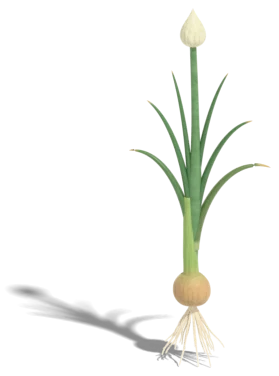
Bolting
What you seeA thick flower stalk grows from the neck; the bulb gets a woody core.
What to doUse small sets and thin transplants. Weeks below 50°F trigger it. Pull and use early.
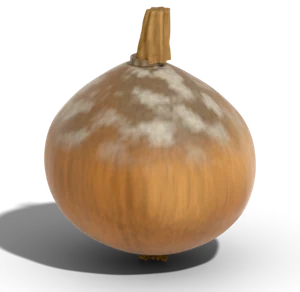
Neck rot
What you seeSoft, sunken neck with grey mould, often 1–2 months into storage.
What to doNo nitrogen after bulbing; cure until the neck is dry; store at 32–34°F.
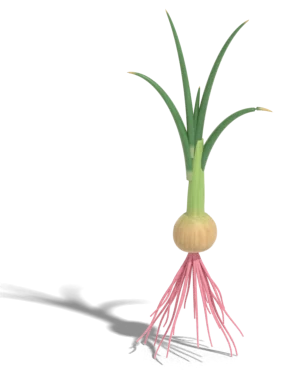
Pink root
What you seeRoots turn pink to purple and shrivel; bulbs stay small.
What to doGrow resistant varieties; the fungus likes warm soil near 82°F.
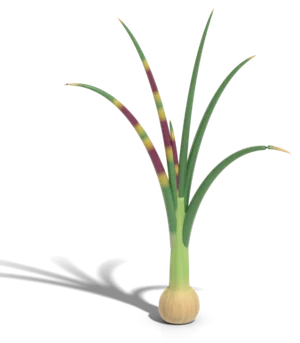
Purple blotch
What you seeSunken purple lesions with a yellow halo on the leaves.
What to doFavoured by 77–85°F and high humidity. Rotate; keep the leaves as dry as you can.
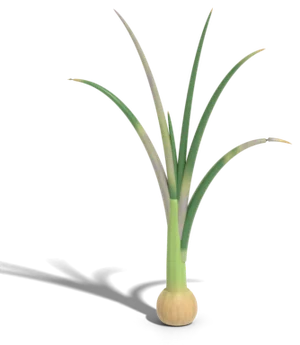
Downy mildew
What you seePale patches with violet-grey fuzz on older leaves in cool, damp spells.
What to doSpace rows for airflow; avoid evening watering; rotate.
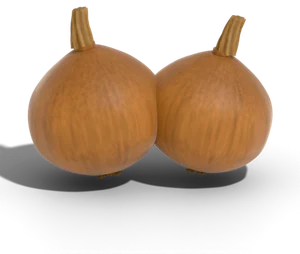
Splits and doubles
What you seeTwo or more bulbs inside one skin, or split shoulders.
What to doWater evenly and don't overfeed; a physiological problem, not a disease.
Sources and notes
Days, sizes and dates are typical values: variety, latitude, weather and planting method shift every stage. Where extension sources disagree (day-length hours, latitude lines, curing heat), the chart gives the common range. The map outline is simplified, and state latitudes are approximate.
- Schwartz, H. F. and C. S. Cramer: Bulb Growth Stages of Onion (Colorado State University and New Mexico State University, Onion ipmPIPE pocket series)
- Texas A&M AgriLife Extension, J. Masabni: Onions (Easy Gardening, EHT-037)
- USDA Agricultural Research Service: The Commercial Storage of Fruits, Vegetables, and Florist and Nursery Stocks, Agriculture Handbook 66, chapter "Onion" (F. Adamicki)
- USDA AMS: U.S. Standards for Grades of Onions, size classifications (7 CFR 51.2836)
- University of Wisconsin Extension A3785: Growing Onions, Garlic, Leeks, and Other Alliums in Wisconsin; and Wisconsin Horticulture: Onion Thrips
- University of Minnesota Extension: Growing onions in Minnesota home gardens
- UC Santa Cruz CASFS: Growing Onions and Leeks for the Gardener; UC Master Gardeners: Onions 101
- University of Maryland Extension: Onions and day length; University of Tennessee Extension D127
- NC State Extension: Bulb Onions; Ohio State University HYG-1616: Growing Onions in the Garden
- Iowa State University Extension: All About Onions; Mississippi State University Extension: Onions
- Utah State University Extension: Onions in the Garden; Botrytis Neck Rot
- University of Missouri IPM: Why Onions Bolt; Colorado State University Extension: Botrytis, Downy Mildew, and Purple Blotch of Onion
- New Mexico State University CR-538: Onion Diseases in New Mexico; Cornell IPM: Onion maggot and seedcorn maggot