
Chicken Age Chart
A laying hen's life from hatching day to old age: how she looks and what she needs at each stage, the brooder heat and feed for every age, when she starts laying, how laying changes over the years, and the signs that tell a bird's age.
1.Working out a bird's age and stage
Enter the hatch date, or the age in weeks if you bought started birds. The result shows the stage a production laying hen is at, what she needs now and the next change to plan for. Heavy and dual-purpose breeds run a few weeks behind these dates.
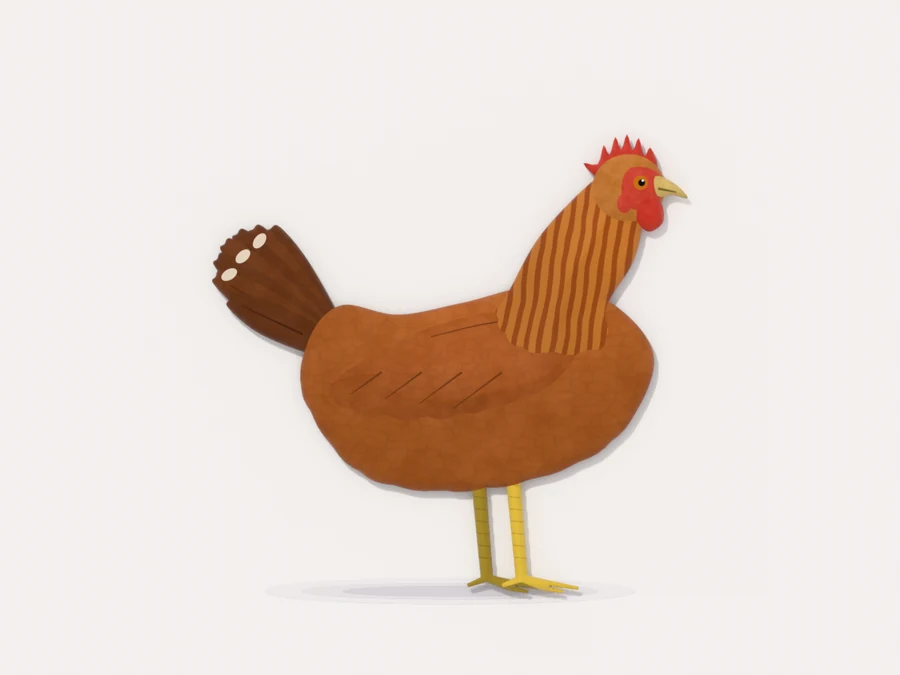
20 weeks
Stage 4 of 6: Point of lay (18–22 weeks)
2.Six stages from chick to older hen
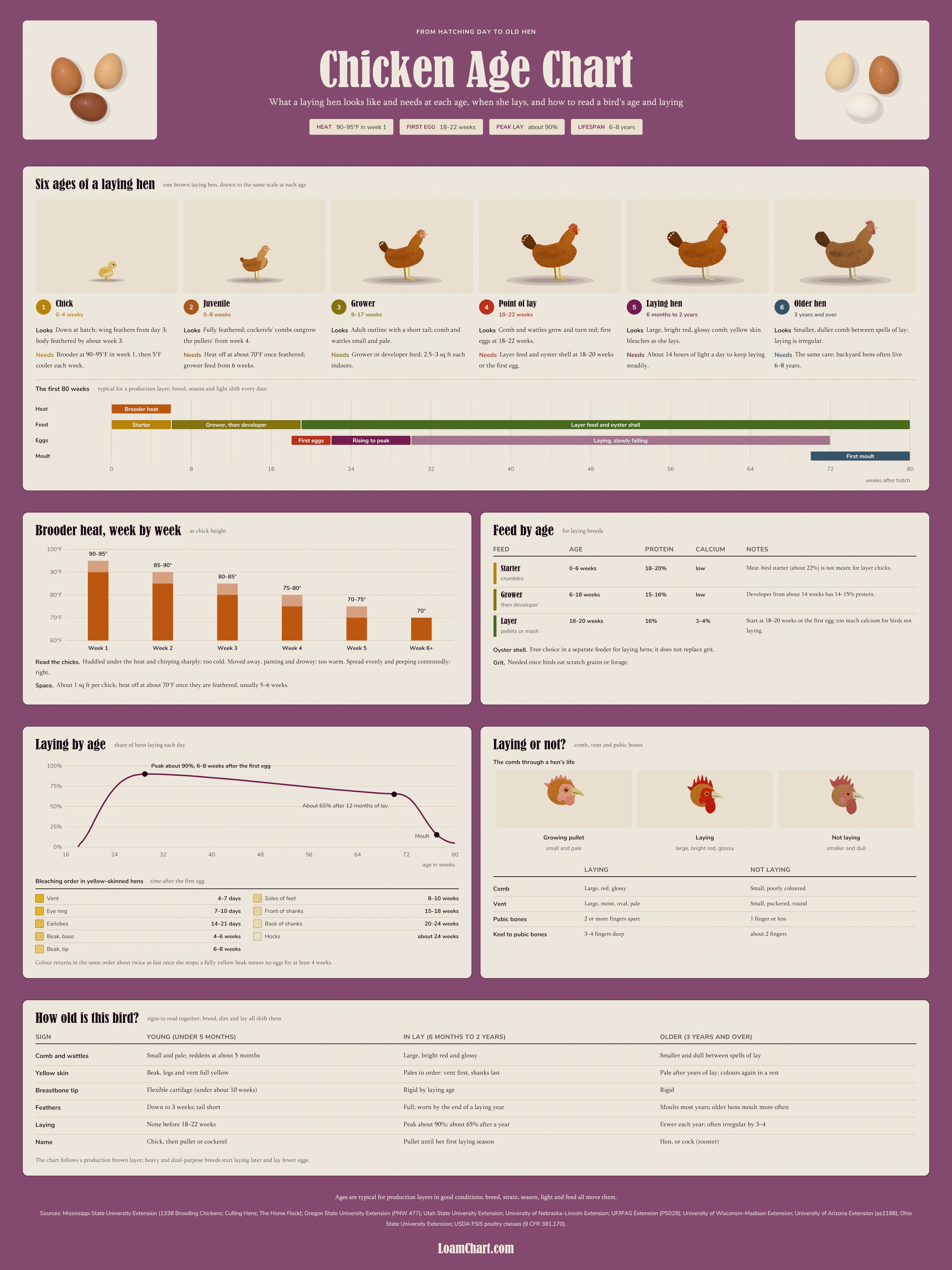
The same brown laying hen at six ages, drawn to one scale. Ages are typical for production layers; a hen's breed, the season she was hatched in and day length all move them.

1. Chick 0–4 weeks
Looks. Down at hatch; the egg tooth drops off in about a day. Wing feathers start around day 3, body and tail feathers in week 2, and most of the body is feathered by week 3.
Needs. A brooder at 90–95°F in the first week, then about 5°F cooler each week; about 1 sq ft of floor each; starter crumbles and clean water.
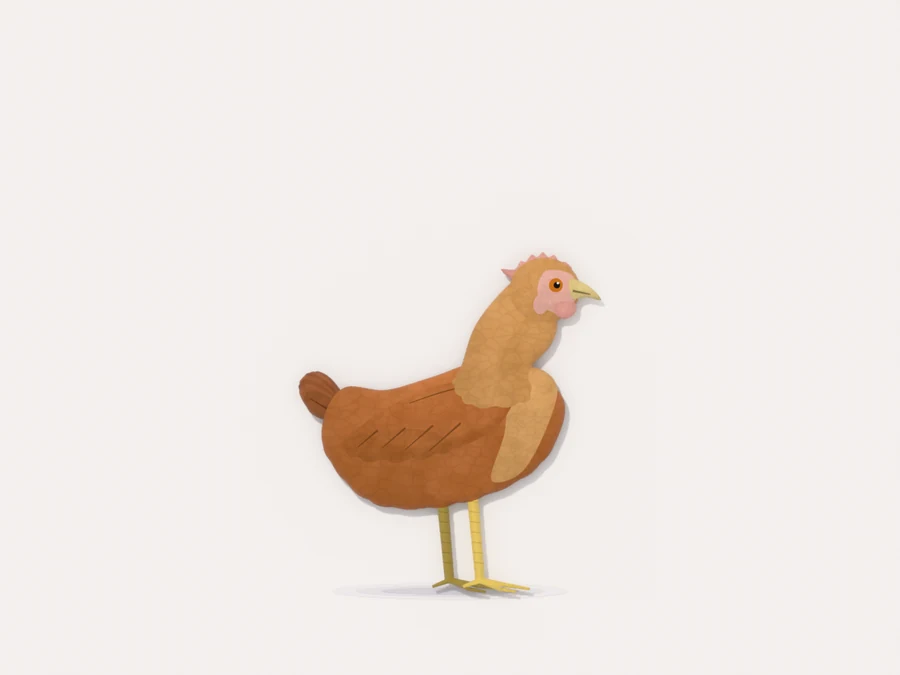
2. Juvenile 5–8 weeks
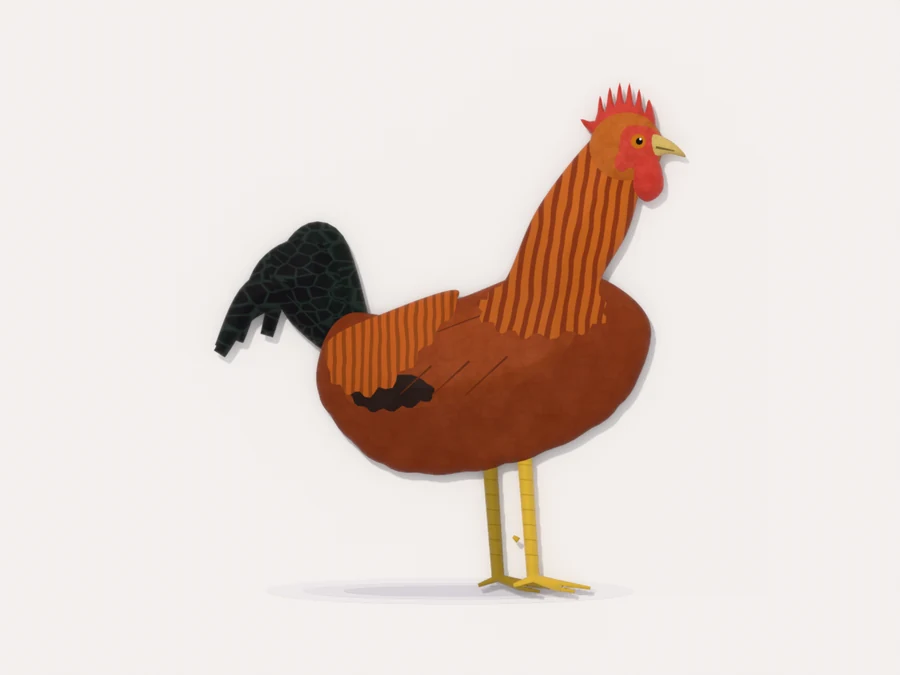
Looks. Fully feathered and leggy. From about week 4 the cockerels’ combs and wattles grow larger than the pullets’, and young males start trying to crow at about 8 weeks.
Needs. Heat off at about 70°F once feathered, usually 5–6 weeks; grower feed from 6 weeks.
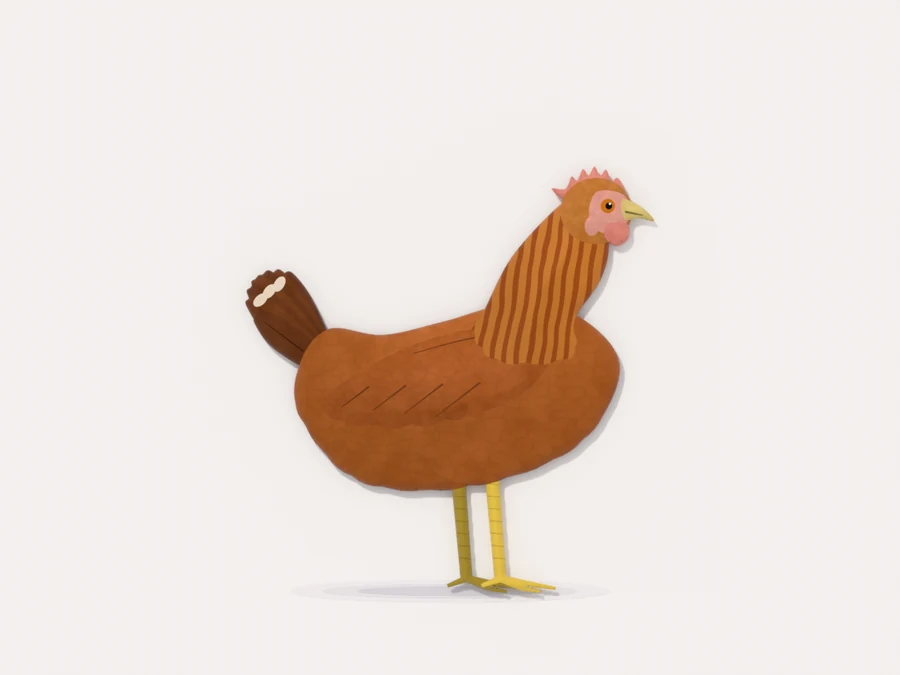
3. Grower 9–17 weeks
Looks. The adult outline with a short tail; the comb and wattles are still small and pale pink. A second set of wing feathers starts replacing the first from about week 9.
Needs. Grower feed, then developer from about 14 weeks; 2.5–3 sq ft each indoors; no layer feed yet.
4. Point of lay 18–22 weeks
Looks. The comb and wattles grow and turn red in the weeks before the first egg, which usually comes at 18–22 weeks.
Needs. Nest boxes ready; switch to layer feed and offer oyster shell at 18–20 weeks or at the first egg, whichever comes first.
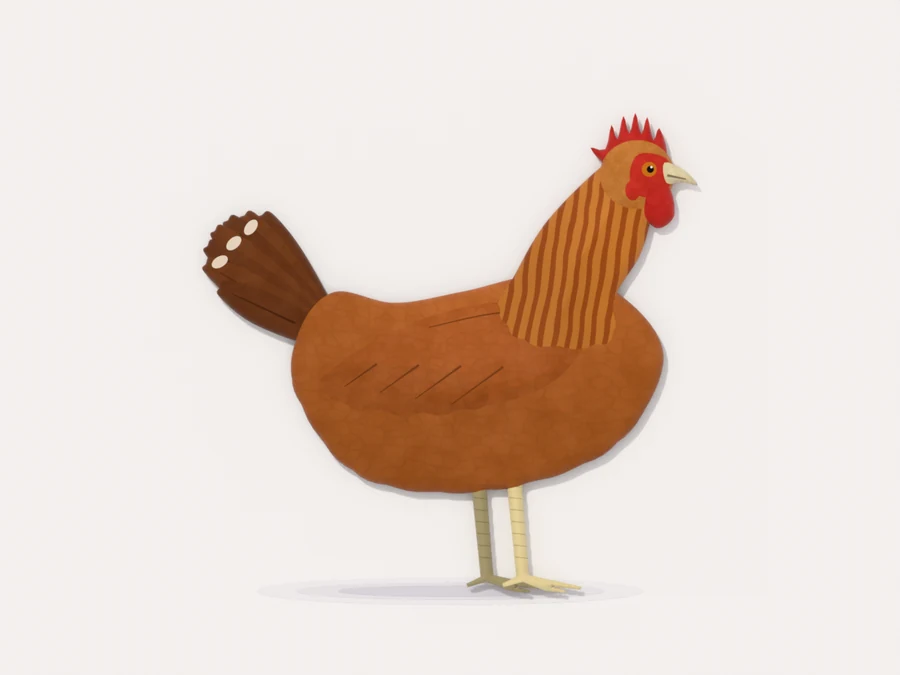
5. Laying hen 6 months to 2 years
Looks. A large, bright red, glossy comb. In yellow-skinned breeds the vent, eye ring, earlobes, beak and finally the legs lose their yellow as she lays.
Needs. Layer feed, oyster shell and about 14 hours of light a day to keep laying steadily.
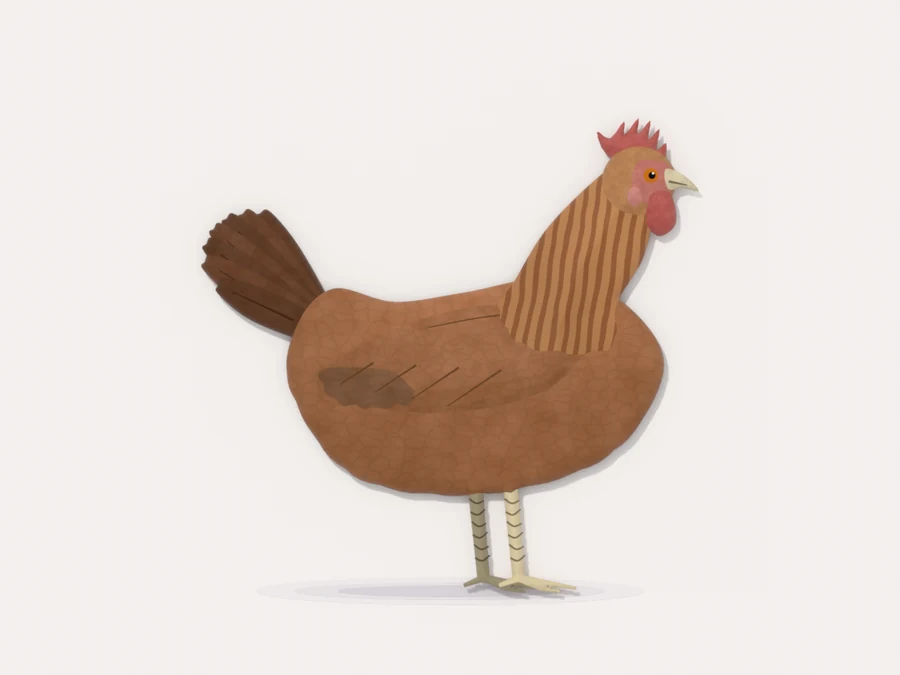
6. Older hen 3 years and over
Looks. A smaller, duller comb between spells of lay; fewer eggs each year and often irregular laying by three or four.
Needs. The same care as any hen; backyard hens often live 6–8 years.
3.Brooder heat falls 5°F a week
Chicks cannot hold their own body heat at first. Start the brooder at 90–95°F at chick height and lower it about 5°F each week. At about five weeks, chicks keep themselves warm if the room stays near 70°F, and the heat can come off once they are feathered.
Days 1–7
90–95°F
Day-old chicks: check them often for the first days and keep feed and water near, not under, the heat.
| Age | Days | Temperature |
|---|---|---|
| Week 1 | 1–7 | 90–95°F |
| Week 2 | 8–14 | 85–90°F |
| Week 3 | 15–21 | 80–85°F |
| Week 4 | 22–28 | 75–80°F |
| Week 5 | 29–35 | 70–75°F |
| Week 6 on | 36 on | 70°F, then heat off |
Read the chicks, not only the thermometer
Allow about 1 sq ft of floor per chick for the first weeks, and 2.5–3 sq ft per pullet indoors after 8 weeks. Raise the heat about 5°F for a few days if the chicks are stressed.
4.Feed changes three times
Layer chicks need a high-protein starter, then a lower-protein grower so pullets grow steadily, then a layer ration with extra calcium for eggshells once laying begins. Move the slider to a bird's age to see which feed fits.
15–16% protein, calcium low. Lower protein keeps growth steady.
| Feed | Age | Protein | Calcium |
|---|---|---|---|
| Starter | 0–6 weeks | 18–20% | low |
| Grower | 6–14 weeks | 15–16% | low |
| Developer | 14–18 weeks | 14–15% | low |
| Layer | from 18–20 weeks or the first egg | about 16% | 3–4% |
Offer oyster shell free choice in a separate feeder for laying hens; it does not replace grit, which birds need once they eat scratch grains or forage. A meat-bird starter (about 22% protein) is not meant for layer chicks.
5.Laying peaks early, then eases off
Pullets start laying at about 18–22 weeks. Within 6–8 weeks the flock reaches its peak, when about 9 hens in 10 lay each day, and the rate then falls slowly to about 65% after twelve months of lay. After 50–60 weeks of laying, hens take a rest and moult. Choose an age and your flock size to see the expected eggs.
At or near peak lay, about 90% of hens laying each day.
| Age | What to expect |
|---|---|
| Year 1 | Egg breeds lay about 250–300 eggs; sex-link hybrids can top 300. |
| Each later year | Hens lay fewer eggs after each moult, and shell quality falls. |
| 2–3 years | Many hens decline significantly; commercial layers are usually replaced by now. |
| 3–4 years | Laying is often irregular; most backyard flocks lay for 3–4 years. |
| 6–8 years | A common lifespan for backyard hens. Add a few pullets every 2–3 years to keep eggs coming. |
6.Reading whether a hen is laying
A hen in lay looks different from one that has stopped. Check the comb, the vent and the spread of the pubic bones, then use the yellow pigment in her skin to judge how long she has been laying.
Pick one answer for each sign. Two or three matching signs give a fair answer.
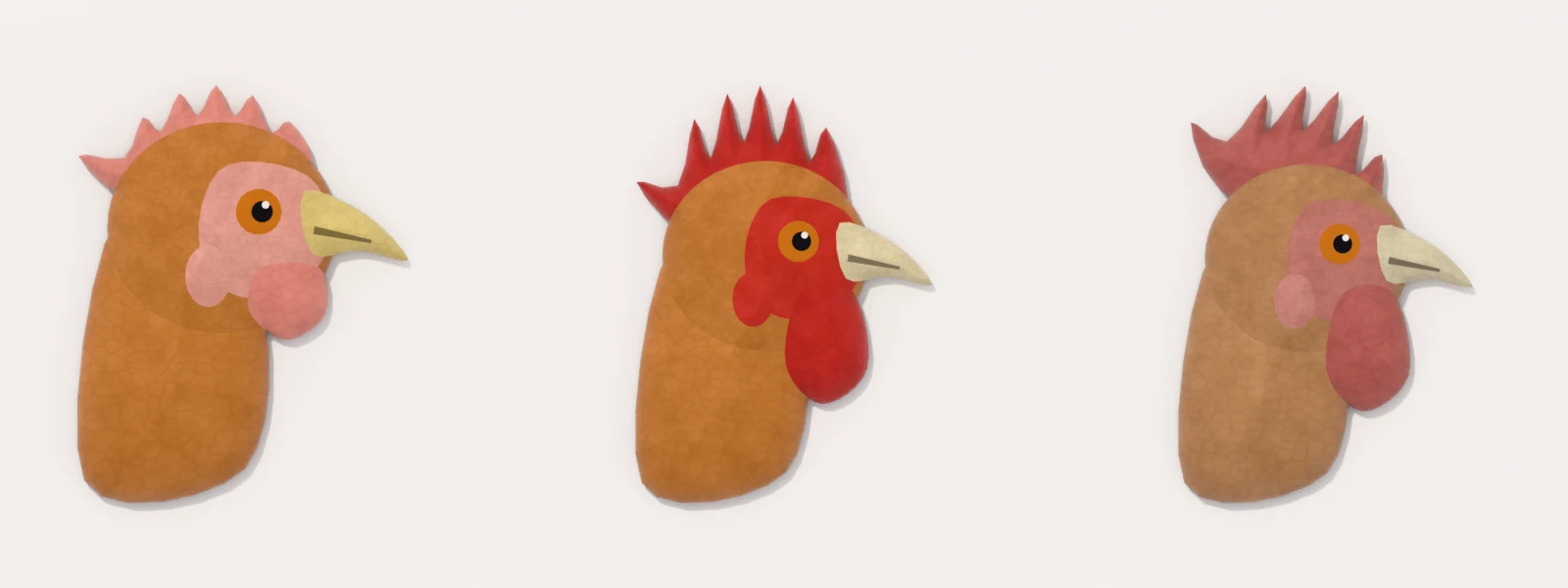
The vent is the first part to pale, 4–7 days after the first egg.
Pigment leaves in the same order every time, and returns in that order about twice as fast once she stops laying. A fully yellow beak means she has not laid for at least four weeks. Breeds with white skin, such as Orpington and Sussex, do not show this.
7.Telling an older bird from a young one
No single sign gives a bird's age in years. Read several together; diet, breed and laying all change them.
| Sign | Young (under 5 months) | In lay (6 months to 2 years) | Older (3 years and over) |
|---|---|---|---|
| Comb and wattles | Small and pale; grow and redden at about 5 months | Large, bright red and glossy | Smaller and dull between spells of lay |
| Yellow skin | Beak, legs and vent full yellow | Pales in order while laying: vent first, shanks last | Pale after years of lay; colour returns during a rest |
| Breastbone tip | Flexible cartilage in young birds (under about 10 weeks) | Rigid by laying age | Rigid |
| Feathers | Down until about week 3; tail short | Full; worn by the end of a laying year | Moults most years; older hens moult more often |
| Laying | None before 18–22 weeks | Peak about 90%; about 65% after a year of lay | Fewer each year; often irregular by 3–4 |
Sources and notes
Ages, temperatures and feed figures come from university extension publications for small and backyard flocks, chiefly Mississippi State, Oregon State, Utah State, Nebraska, Florida, Wisconsin, Arizona and Ohio State. They describe production laying strains kept in good conditions; heavy breeds mature and start laying later, and season and day length move every date. The laying curve is drawn through the published figures: first eggs at 18–22 weeks, a peak near 90% six to eight weeks later and about 65% after twelve months of lay. The breastbone ages follow the USDA classes of poultry. Spur length and leg scales are often used to judge a rooster's age but are not covered by these sources, so the chart leaves them out.
- Mississippi State University Extension: Brooding Chickens and Quail (Information Sheet 1338), T. W. Smith
- Mississippi State University Extension: Culling Hens
- Mississippi State University Extension: The Home Flock (Publication 268), T. W. Smith
- Mississippi State University Extension: Choosing the Right Breed for Your Backyard Flock (P3036)
- Oregon State University Extension: How to Feed Your Laying Hens (PNW 477), J. C. Hermes, 2016
- Utah State University Extension: Basics for Raising Backyard Chickens, D. D. Frame, 2010
- Utah State University Extension: Molting and Determining Production of Laying Hens, D. D. Frame, 2009
- University of Nebraska-Lincoln Extension, Lancaster County: Chicken Growth and Development
- UF/IFAS Extension: Factors Affecting Egg Production in Backyard Chicken Flocks (PS029)
- University of Wisconsin-Madison Extension: Life Cycle of a Laying Hen, S. Stuttgen
- University of Arizona Cooperative Extension: Nine Common Reasons Your Hens Aren’t Laying (az2186), A. Wright
- Ohio State University Extension: Raising Meat Chickens (ANR-0161)
- USDA, Code of Federal Regulations: 9 CFR 381.170, Standards for kinds and classes of poultry