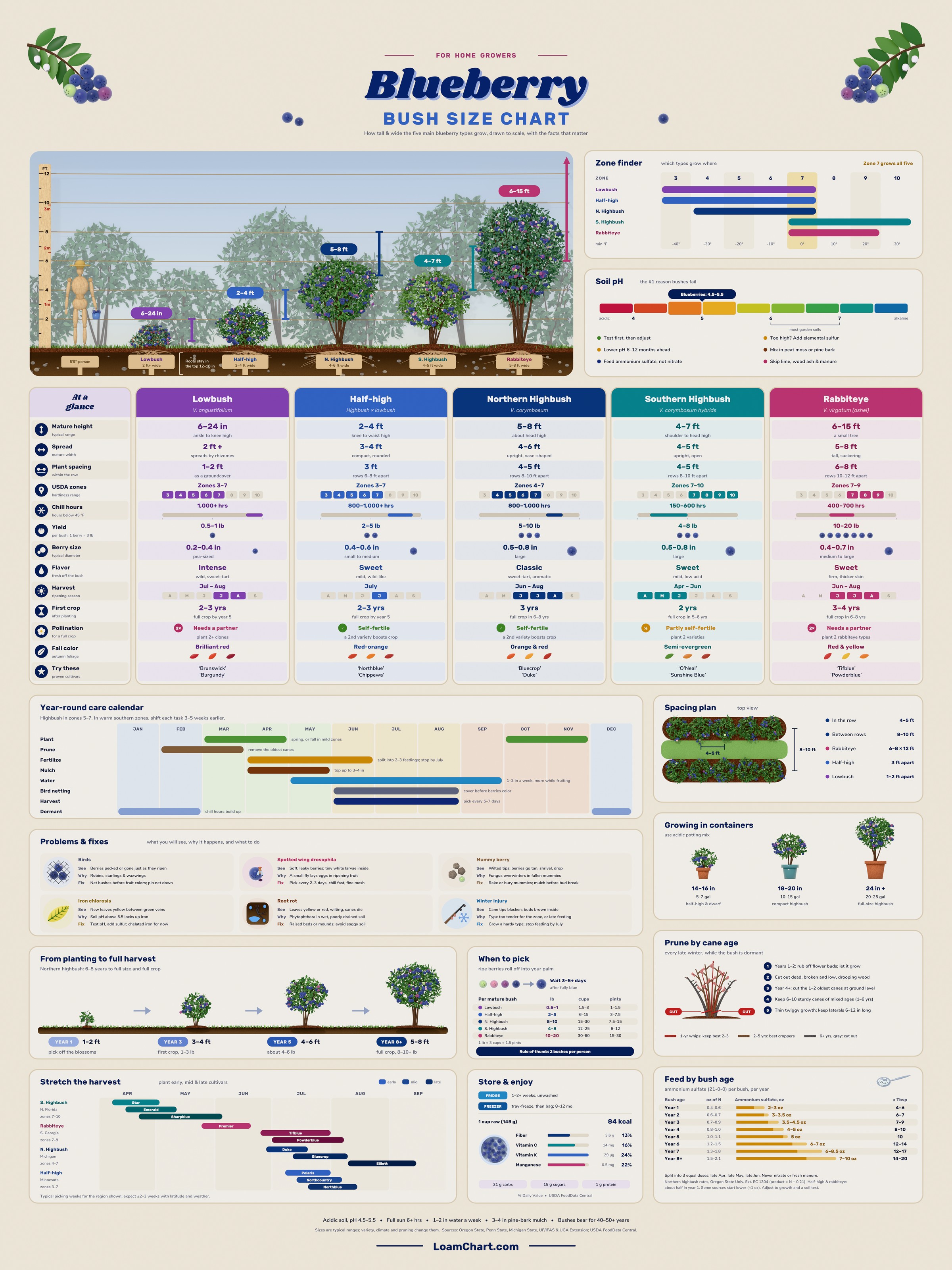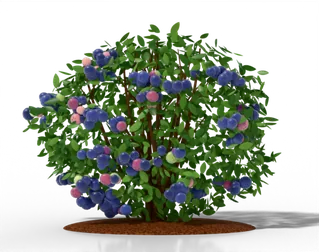
Half-high Good match
- Hardy in zone 6 (range 3–7).
- Plant 3 ft apart, rows 6–8 ft apart.
Try ‘Northblue’, ‘Chippewa’; for a long season in Minnesota: ‘Polaris’ → ‘Northcountry’ → ‘Northblue’. Pollination: self-fertile, a 2nd variety boosts crop.
 LoamChart
Home Blueberry Bush Size Chart
How tall and wide the five blueberry types grow, from ankle-high lowbush to rabbiteye taller than a ceiling, drawn to scale against a person. Then which type suits your winters and space, and how to plant, prune, feed and pick it.
Contents
Each bush is drawn at a typical mature size on the same scale, with a bar for its usual height range. Change the person’s height to see where each one would come up to on you, and tap a bush for its numbers.

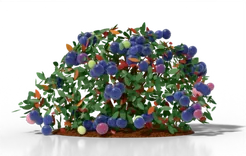
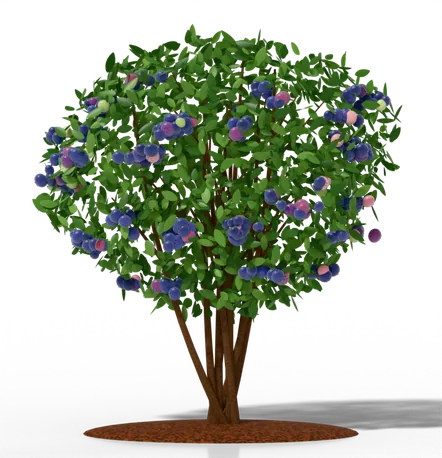
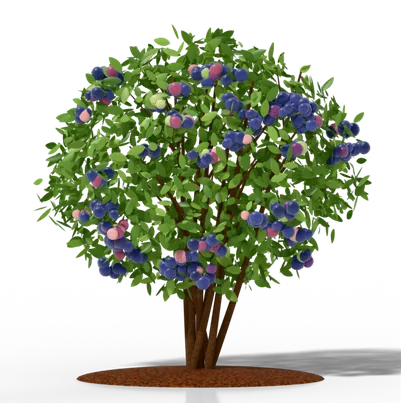
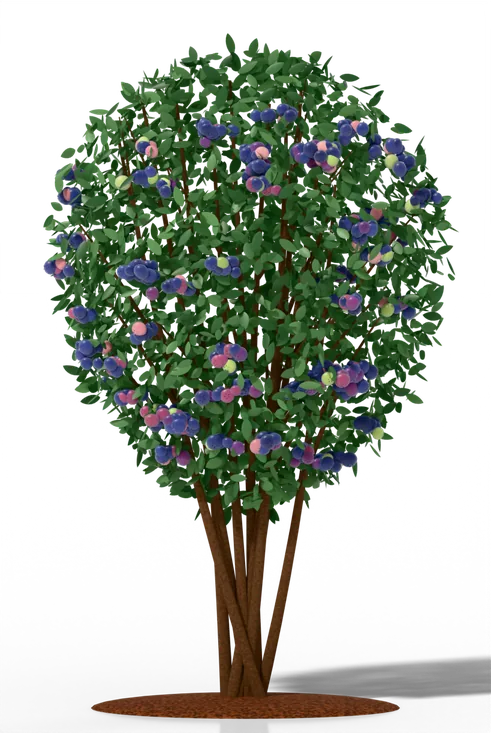
Swipe sideways to see all five.
Figure 2. Typical mature sizes on one scale. The bar beside each bush marks its usual height range.
5–8 ft tall: about head high. That is 0.9–1.4× the height of a 5′9″ person.
| Spread | 4–6 ftupright, vase-shaped |
|---|---|
| Spacing | 4–5 ftrows 8–10 ft apart |
| Zones | 4–7USDA hardiness |
| Chill hours | 800–1,000hours below 45 °F |
| Yield | 5–10 lbper bush |
| Harvest | Jun–Augfirst crop 3 yrs |
Hardiness zone decides what survives; winter chill decides what fruits well; space decides what fits. Pick all three and the five types re-rank themselves.
Try ‘Northblue’, ‘Chippewa’; for a long season in Minnesota: ‘Polaris’ → ‘Northcountry’ → ‘Northblue’. Pollination: self-fertile, a 2nd variety boosts crop.
Try ‘Bluecrop’, ‘Duke’; for a long season in Michigan: ‘Duke’ → ‘Bluecrop’ → ‘Elliott’. Pollination: self-fertile, a 2nd variety boosts crop.
Try ‘Brunswick’, ‘Burgundy’. Pollination: needs a partner, plant 2+ clones.
Which types grow where. Zone 7 grows all five. Bottom row: average coldest winter night for the zone.
The full comparison from the chart. Tap a column heading to highlight it; on a phone, swipe the table sideways.
| Type | |||||
|---|---|---|---|---|---|
| Mature heighttypical range | 6–24 inankle to knee high | 2–4 ftknee to waist high | 5–8 ftabout head high | 4–7 ftshoulder to head high | 6–15 fta small tree |
| Spreadmature width | 2 ft +spreads by rhizomes | 3–4 ftcompact, rounded | 4–6 ftupright, vase-shaped | 4–5 ftupright, open | 5–8 fttall, suckering |
| Plant spacingwithin the row | 1–2 ftas a groundcover | 3 ftrows 6–8 ft apart | 4–5 ftrows 8–10 ft apart | 4–5 ftrows 8–10 ft apart | 6–8 ftrows 10–12 ft apart |
| USDA zoneshardiness range | Zones 3–7345678910 | Zones 3–7345678910 | Zones 4–7345678910 | Zones 7–10345678910 | Zones 7–9345678910 |
| Chill hourshours below 45 °F | 1,000+ hrs | 800–1,000+ hrs | 800–1,000 hrs | 150–600 hrs | 400–700 hrs |
| Yieldper bush; 1 berry ≈ 3 lb | 0.5–1 lb | 2–5 lb | 5–10 lb | 4–8 lb | 10–20 lb |
| Berry sizetypical diameter | 0.2–0.4 inpea-sized | 0.4–0.6 insmall to medium | 0.5–0.8 inlarge | 0.5–0.8 inlarge | 0.4–0.7 inmedium to large |
| Flavorfresh off the bush | Intensewild, sweet-tart | Sweetmild, wild-like | Classicsweet-tart, aromatic | Sweetmild, low acid | Sweetfirm, thicker skin |
| Harvestripening season | Jul–AugAMJJAS | JulyAMJJAS | Jun–AugAMJJAS | Apr–JunAMJJAS | Jun–AugAMJJAS |
| First cropafter planting | 2–3 yrsfull crop by year 5 | 2–3 yrsfull crop by year 5 | 3 yrsfull crop in 6–8 yrs | 2 yrsfull crop in 5–6 yrs | 3–4 yrsfull crop in 6–8 yrs |
| Pollinationfor a full crop | 2×Needs a partnerplant 2+ clones | ✓Self-fertilea 2nd variety boosts crop | ✓Self-fertilea 2nd variety boosts crop | ½Partly self-fertileplant 2 varieties | 2×Needs a partnerplant 2 rabbiteye types |
| Fall colorautumn foliage |  Brilliant red Brilliant red |  Red-orange Red-orange |  Orange & red Orange & red |  Semi-evergreen Semi-evergreen |  Red & yellow Red & yellow |
| Try theseproven cultivars | ‘Brunswick’ ‘Burgundy’ | ‘Northblue’ ‘Chippewa’ | ‘Bluecrop’ ‘Duke’ | ‘O’Neal’ ‘Sunshine Blue’ | ‘Tifblue’ ‘Powderblue’ |
A northern highbush takes 6–8 years to reach full size and full crop, then keeps bearing for 40–50+ years. Step through the years, drawn to the same scale.



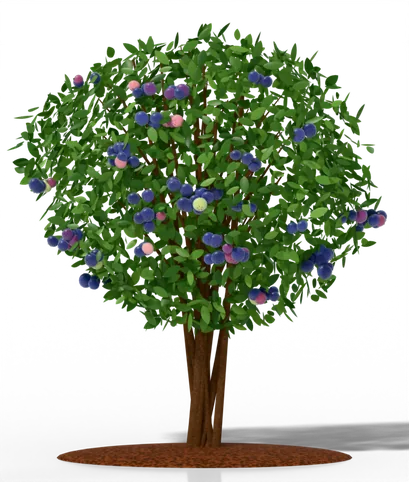
About 1–2 ft tall: pick off the blossoms.
Soil that is not acid enough is the most common reason bushes fail. Blueberries want soil at pH 4.5–5.5, well below most garden soils. Enter the pH from your soil test.
 Acidic soilpH 4.5–5.5
 Full sun6+ hours a day
 Steady water1–2 in a week, more while fruiting
 Pine-bark mulch3–4 in deep, topped up each spring
 A long-lived plantbushes bear for 40–50+ years
Roots stay in the top 12–18 in of soil, so mulch and even watering matter more than digging deep.
Choose a type and the length of your bed. The plan below is drawn from above, with each bush at its mature spread.
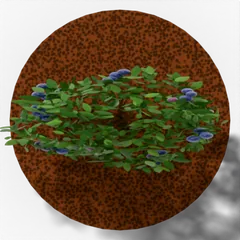
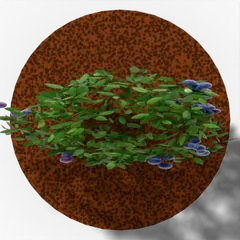
Figure 4. The planting plan from above, each bush drawn at its mature spread.
| 8 | Northern Highbush bushes (4 per row × 2) |
|---|---|
| 24 × 16 ft | bed size at maturity, about 7.3 × 4.9 m |
| 40–80 lb | a year once mature, at 5–10 lb per bush approx. |
| 4 | people supplied, at 2 bushes per person |
Chart spacing for Northern Highbush: 4–5 ft in the row, rows 8–10 ft apart. Bushes are centred with half a spacing at each end.
Use an acidic potting mix. Pots drawn to scale with the bush each one suits.



Timing for highbush in zones 5–7. In warm southern zones every task comes 3–5 weeks earlier; switch it on to shift the chart. Tap a month for its jobs.
Every late winter, while the bush is dormant. Red one-year whips, brown 2–5 year canes that carry most of the fruit, gray canes of 6 years and more. Click a cane to cut it at ground level; click again to undo.
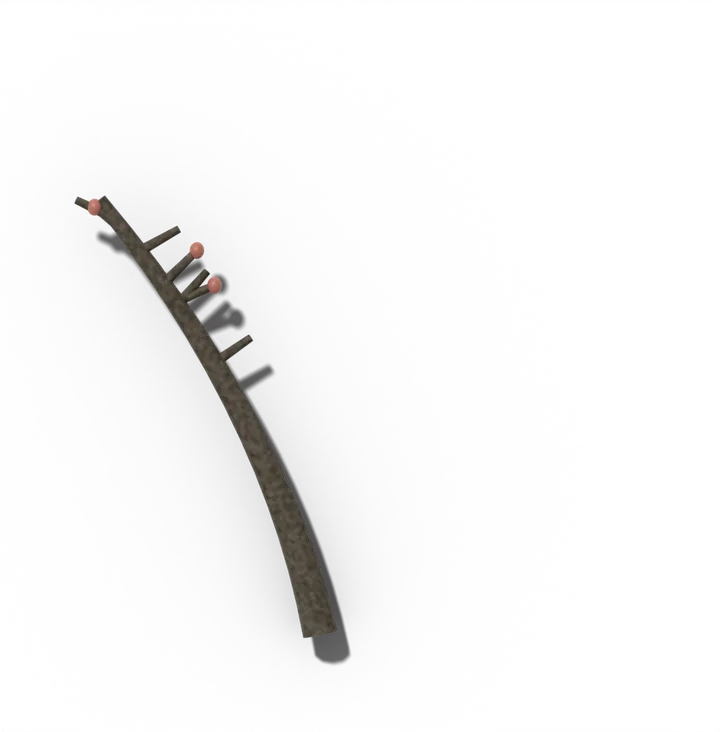
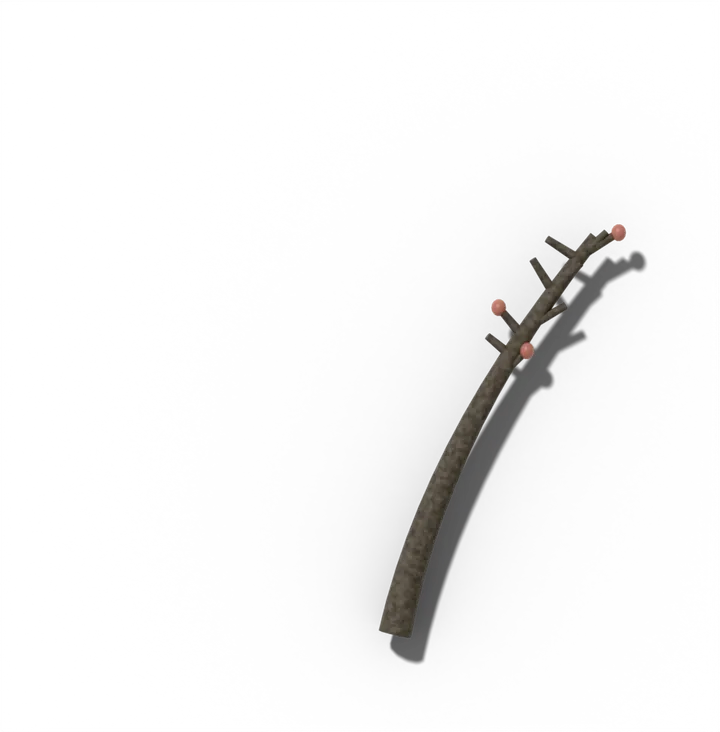
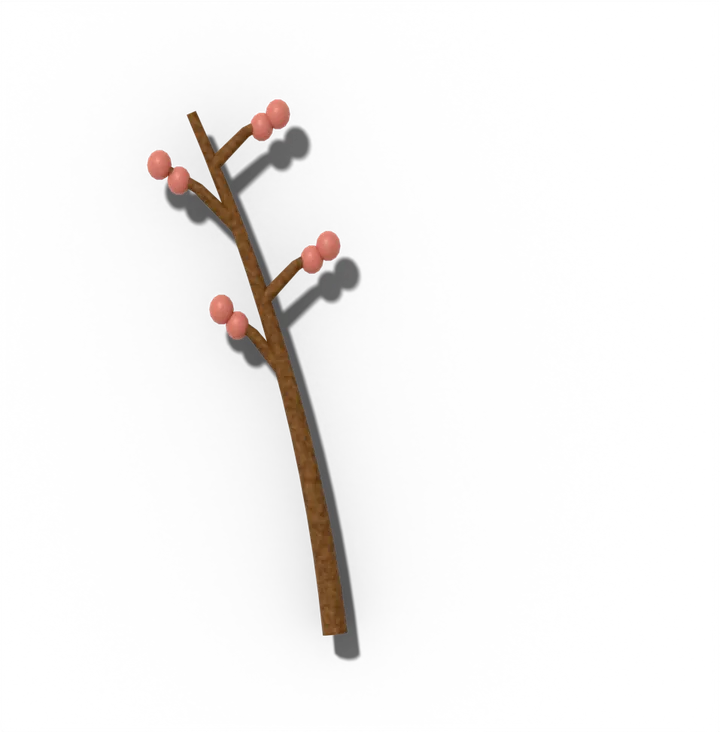
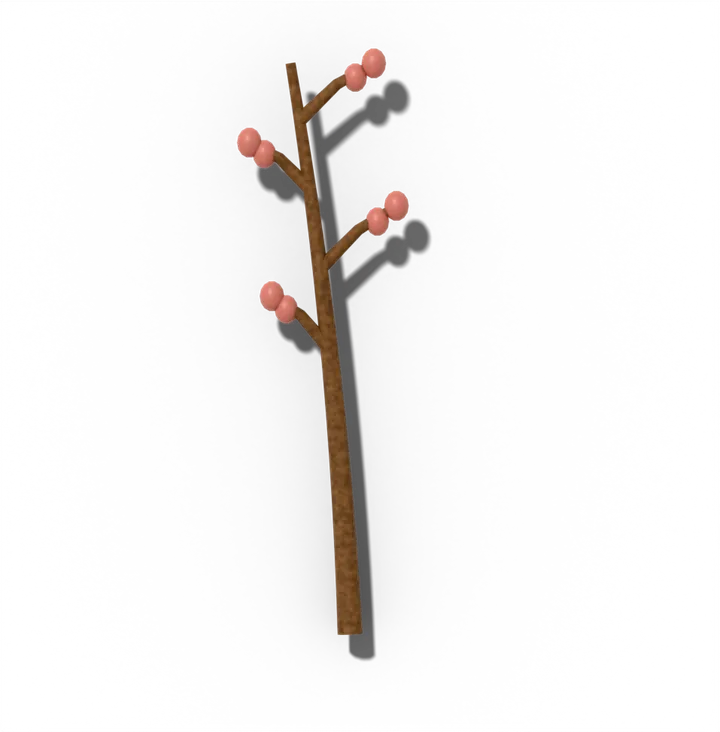
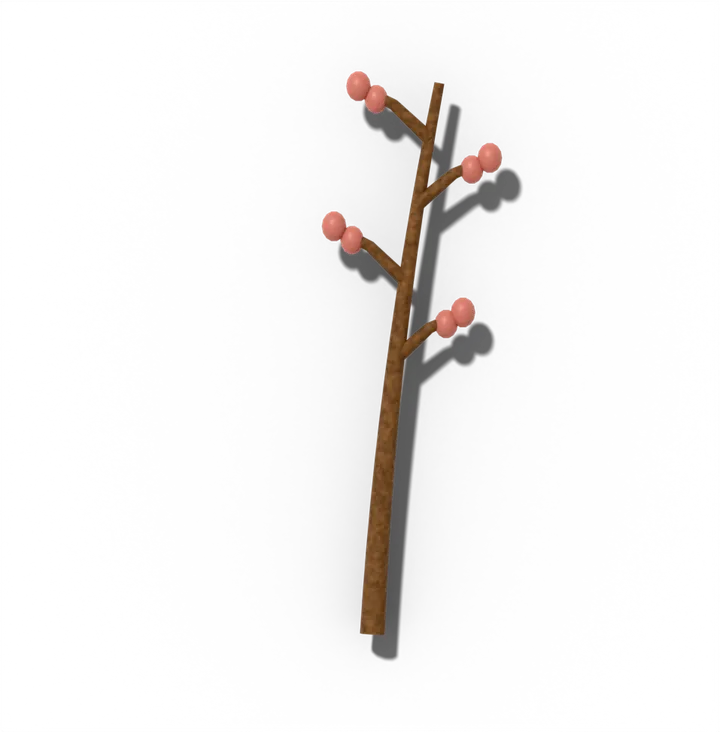
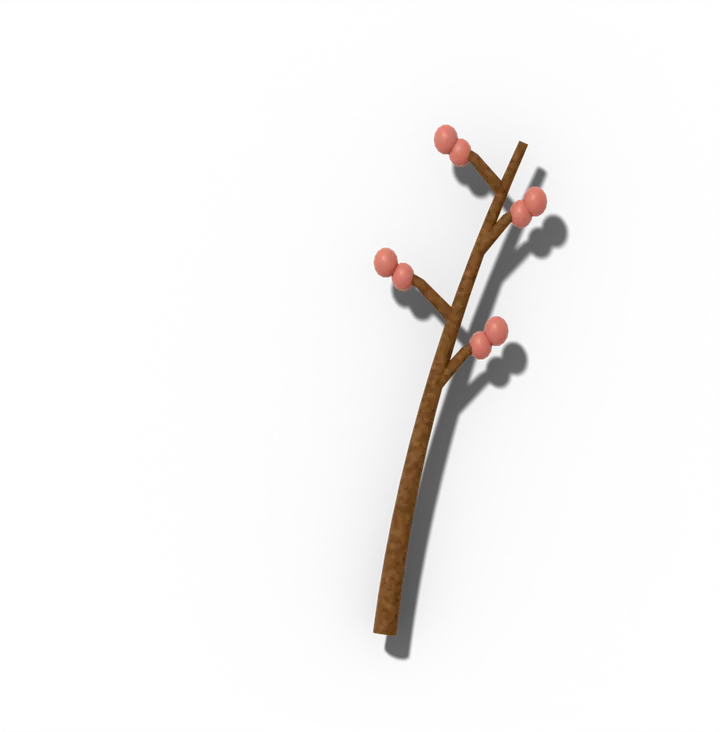




| 6+ yrs, gray | 2 of 2 |
|---|---|
| 2–5 yrs | 4 of 4 |
| 1-yr whips | 3 of 3 |
Ammonium sulfate (21-0-0) per bush per year, from Oregon State University Extension’s northern highbush rates (EC 1304). Add your bushes by age to get a season total.
Split into 3 equal doses: late Apr, late May, late Jun. Never nitrate or fresh manure. Some sources start lower (≈1 oz); adjust to growth and a soil test. Grams and tablespoons are conversions approx.
Product = oz of nitrogen ÷ 0.21.
Start with where you see the trouble. Each entry says what you’ll see, why it happens and what to do.
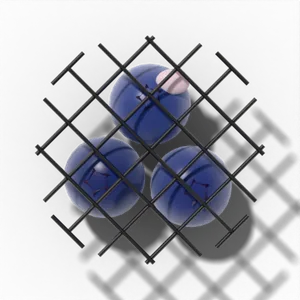
Blue is not yet ripe: berries turn blue days before they are sweet. Wait 3–5+ days after they are fully blue; ripe berries roll off into your palm.
| Type | lb | cups | pints |
|---|---|---|---|
| Lowbush | 0.5–1 | 1.5–3 | 1–1.5 |
| Half-high | 2–5 | 6–15 | 3–7.5 |
| N. Highbush | 5–10 | 15–30 | 7.5–15 |
| S. Highbush | 4–8 | 12–25 | 6–12 |
| Rabbiteye | 10–20 | 30–60 | 15–30 |
1 lb ≈ 3 cups ≈ 1.5 pints.
Rule of thumb: 2 bushes per person.
Early, mid and late cultivars ripen in turn. Choose cultivars to see your combined season. Dates are typical picking weeks for the region shown; expect ±2–3 weeks with latitude and weather.
Picking from Jun 28 to Sep 15: about 11 weeks of berries. Timing for Michigan.
Keep berries unwashed until you eat them. A cup of raw blueberries is 84 kcal with a useful share of vitamin C, vitamin K and manganese.

% Daily Value · USDA FoodData Central.
Sizes, yields, chill hours and dates are typical ranges; variety, climate and pruning change them. The picker and planting planner apply these ranges as simple rules and are a starting point, not a guarantee.