
Apple Variety Chart
Twenty of the most widely grown and sold apples, shown whole and cut through the core: where each came from, how it looks and tastes, what it is best for, when it ripens, how long it keeps, how cold a winter it takes and which diseases it shrugs off.
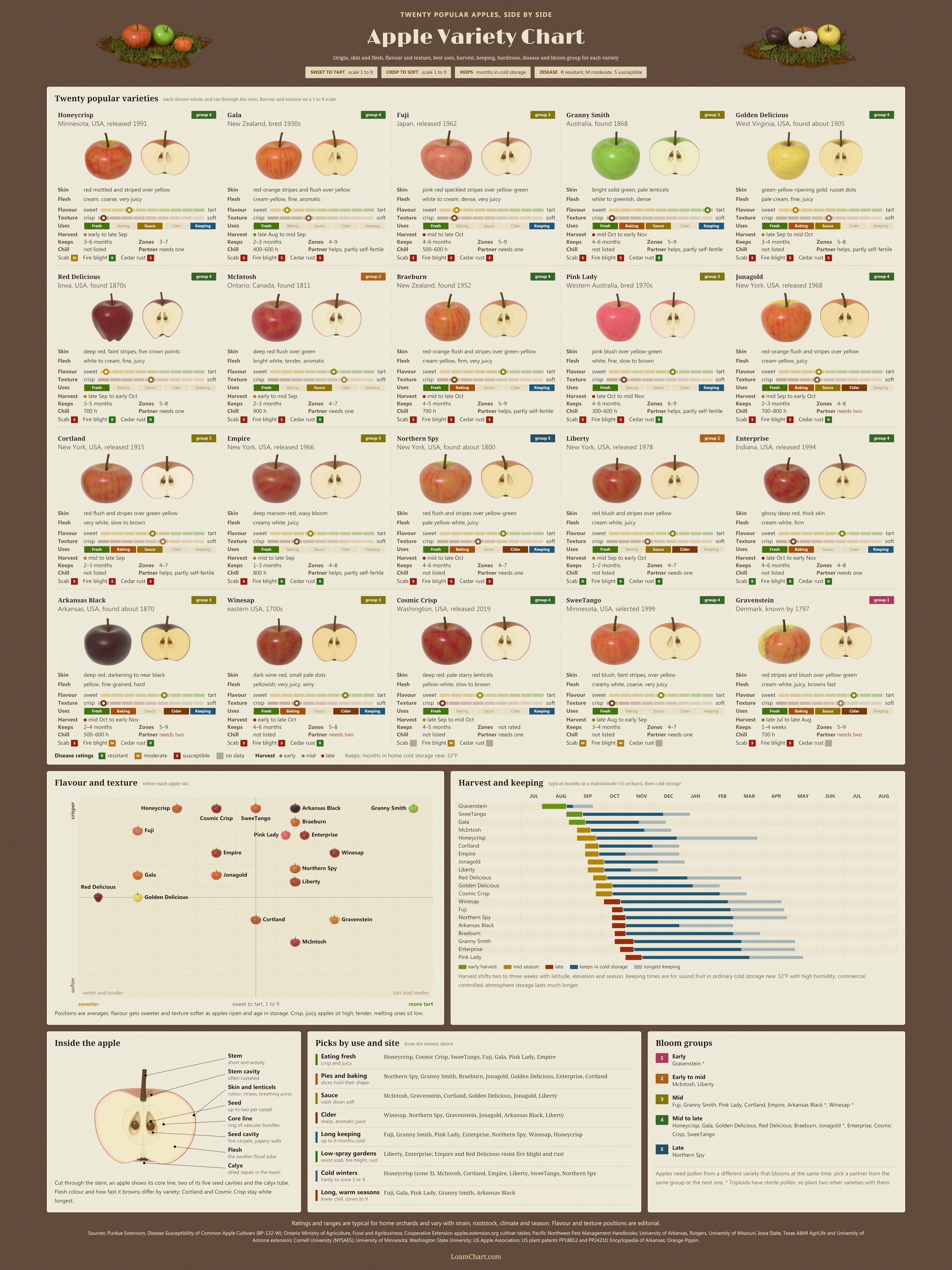
1.Find an apple by use, taste, season and zone
Set what matters to you and the list narrows to the varieties that fit. Flavour runs from 1, very sweet, to 9, very tart; texture from 1, very crisp, to 9, soft. Disease ratings are R resistant, M moderate and S susceptible, from university extension tables.
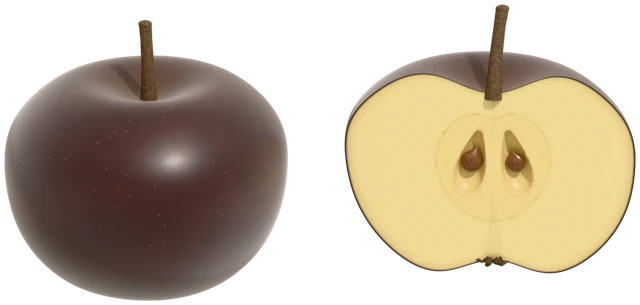
Arkansas BlackArkansas, USA, found about 18703
- Skin
- Deep red, darkening to near black
- Flesh
- Yellow, fine-grained, hard
- Flavour
- 6 of 9, sweet-tart
- Texture
- 1 of 9, very crisp
- Best for
- FreshBakingCiderKeeping
- Harvest
- Mid Oct to early Nov (late)
- Keeps
- 2–4 months in cold storage
- Zones
- 5–9; chill 500–600 h
- Disease
- Scab S Fire blight M Cedar rust R
- Pollination
- Bloom group 3, triploid: grow two other varieties with it
- Note
- Darkens in storage
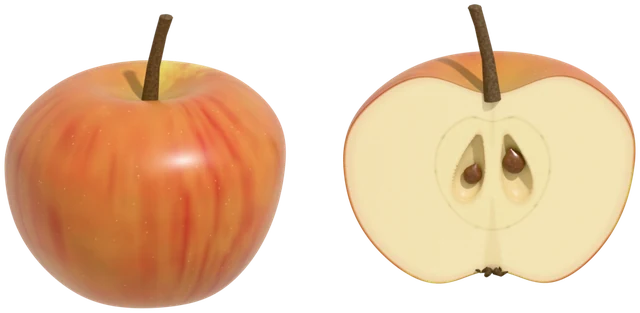
BraeburnNew Zealand, found 19524
- Skin
- Red-orange flush and stripes over green-yellow
- Flesh
- Cream-yellow, firm, very juicy
- Flavour
- 6 of 9, sweet-tart
- Texture
- 2 of 9, very crisp
- Best for
- FreshBakingKeeping
- Harvest
- Mid to late Oct (late)
- Keeps
- 4–5 months in cold storage
- Zones
- 5–9; chill 700 h
- Disease
- Scab S Fire blight S Cedar rust S
- Pollination
- Bloom group 4, partly self-fertile; a partner still helps
- Note
- Needs a long season
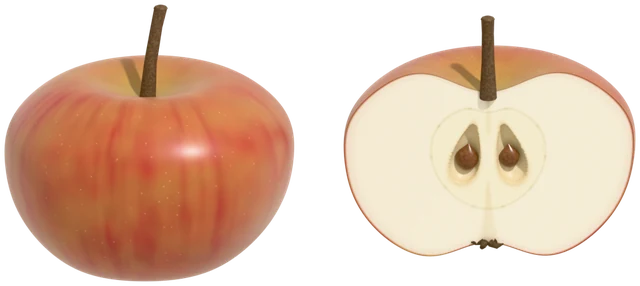
CortlandNew York, USA, released 19153
- Skin
- Red flush and stripes over green-yellow
- Flesh
- Very white, slow to brown
- Flavour
- 5 of 9, sweet-tart
- Texture
- 6 of 9, medium
- Best for
- FreshBakingSauce
- Harvest
- Mid to late Sep (mid season)
- Keeps
- 2–3 months in cold storage
- Zones
- 4–7; chill not listed
- Disease
- Scab S Fire blight S Cedar rust S
- Pollination
- Bloom group 3, partly self-fertile; a partner still helps
- Note
- White flesh for salads
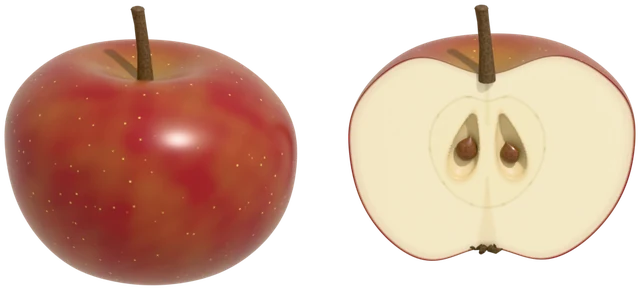
Cosmic CrispWashington, USA, released 20194
- Skin
- Deep red, pale starry lenticels
- Flesh
- Yellow-white, slow to brown
- Flavour
- 4 of 9, sweet-tart
- Texture
- 1 of 9, very crisp
- Best for
- FreshKeeping
- Harvest
- Late Sep to mid Oct (mid season)
- Keeps
- 4–5 months in cold storage
- Zones
- not yet rated; chill not listed
- Disease
- Scab n/a Fire blight M Cedar rust n/a
- Pollination
- Bloom group 4, needs a partner variety
- Note
- Enterprise x Honeycrisp
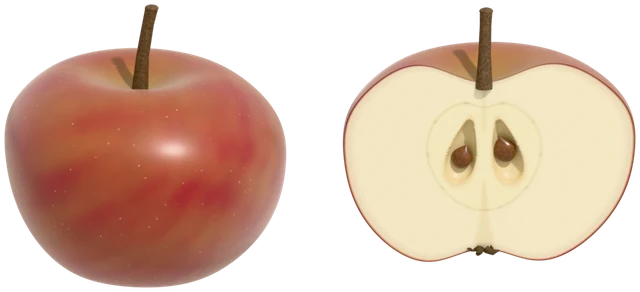
EmpireNew York, USA, released 19663
- Skin
- Deep maroon-red, waxy bloom
- Flesh
- Creamy white, juicy
- Flavour
- 4 of 9, sweet-tart
- Texture
- 3 of 9, crisp
- Best for
- Fresh
- Harvest
- Mid to late Sep (mid season)
- Keeps
- 1–3 months in cold storage
- Zones
- 4–8; chill 800 h
- Disease
- Scab S Fire blight R Cedar rust R
- Pollination
- Bloom group 3, partly self-fertile; a partner still helps
- Note
- McIntosh x Red Delicious
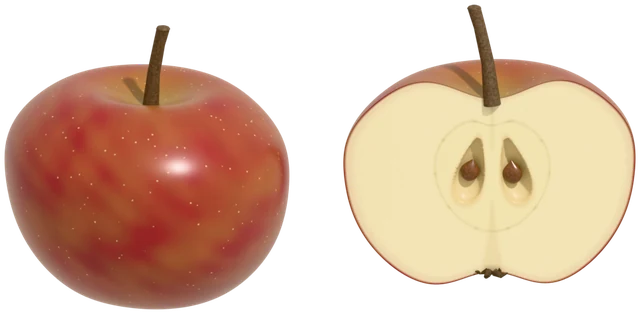
EnterpriseIndiana, USA, released 19944
- Skin
- Glossy deep red, thick skin
- Flesh
- Cream-white, firm
- Flavour
- 6 of 9, sweet-tart
- Texture
- 2 of 9, very crisp
- Best for
- FreshBakingKeeping
- Harvest
- Late Oct to early Nov (late)
- Keeps
- 4–6 months in cold storage
- Zones
- 4–8; chill not listed
- Disease
- Scab R Fire blight R Cedar rust R
- Pollination
- Bloom group 4, needs a partner variety
- Note
- Scab-immune; a parent of Cosmic Crisp
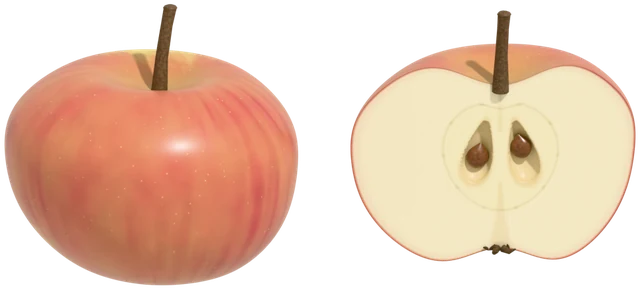
FujiJapan, released 19623
- Skin
- Pink-red speckled stripes over yellow-green
- Flesh
- White to cream, dense, very juicy
- Flavour
- 2 of 9, sweet
- Texture
- 2 of 9, very crisp
- Best for
- FreshKeeping
- Harvest
- Mid to late Oct (late)
- Keeps
- 4–6 months in cold storage
- Zones
- 5–9; chill 500–600 h
- Disease
- Scab S Fire blight S Cedar rust S
- Pollination
- Bloom group 3, needs a partner variety
- Note
- Needs a long, warm season
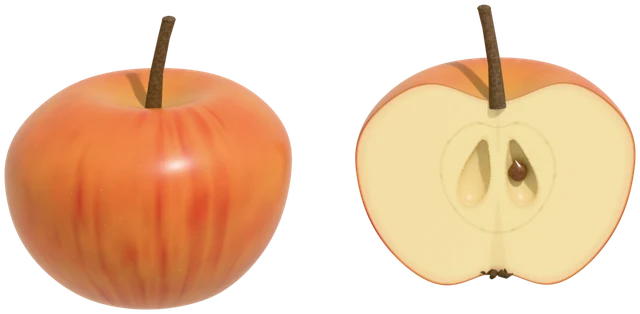
GalaNew Zealand, bred 1930s4
- Skin
- Red-orange stripes and flush over yellow
- Flesh
- Cream-yellow, fine, aromatic
- Flavour
- 2 of 9, sweet
- Texture
- 4 of 9, crisp
- Best for
- Fresh
- Harvest
- Late Aug to mid Sep (early)
- Keeps
- 2–3 months in cold storage
- Zones
- 4–9; chill 400–600 h
- Disease
- Scab S Fire blight S Cedar rust S
- Pollination
- Bloom group 4, partly self-fertile; a partner still helps
- Note
- Very susceptible to fire blight
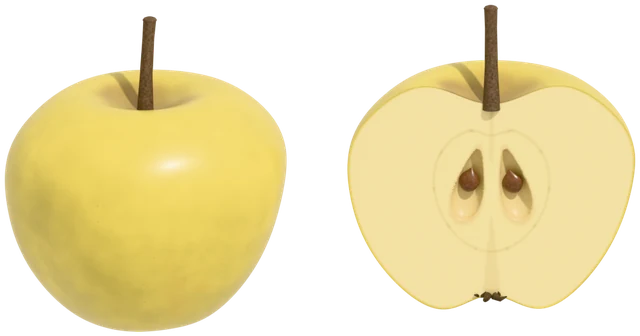
Golden DeliciousWest Virginia, USA, found about 19054
- Skin
- Green-yellow ripening gold, russet dots
- Flesh
- Pale cream, fine, juicy
- Flavour
- 2 of 9, sweet
- Texture
- 5 of 9, medium
- Best for
- FreshBakingSauce
- Harvest
- Late Sep to mid Oct (mid season)
- Keeps
- 3–4 months in cold storage
- Zones
- 5–8; chill not listed
- Disease
- Scab S Fire blight S Cedar rust S
- Pollination
- Bloom group 4, partly self-fertile; a partner still helps
- Note
- Parent of Gala, Jonagold and Pink Lady
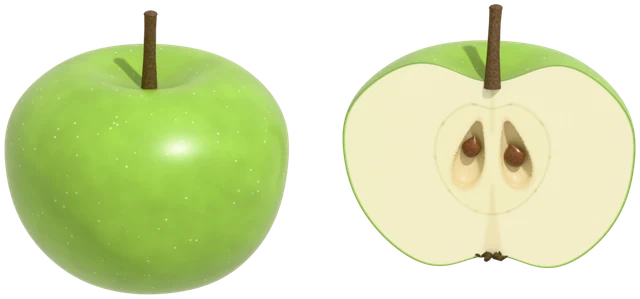
Granny SmithAustralia, found 18683
- Skin
- Bright solid green, pale lenticels
- Flesh
- White to greenish, dense
- Flavour
- 9 of 9, tart
- Texture
- 1 of 9, very crisp
- Best for
- FreshBakingSauceKeeping
- Harvest
- Mid Oct to early Nov (late)
- Keeps
- 4–6 months in cold storage
- Zones
- 5–9; chill not listed
- Disease
- Scab S Fire blight S Cedar rust R
- Pollination
- Bloom group 3, partly self-fertile; a partner still helps
- Note
- Needs a long season; holds shape in pies
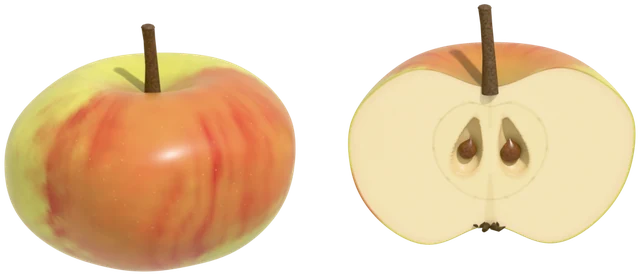
GravensteinDenmark, known by 17971
- Skin
- Red stripes and blush over yellow-green
- Flesh
- Cream-white, juicy, browns fast
- Flavour
- 7 of 9, tart
- Texture
- 6 of 9, medium
- Best for
- FreshBakingSauceCider
- Harvest
- Late Jul to late Aug (early)
- Keeps
- 1–4 weeks in cold storage
- Zones
- 5–9; chill 700 h
- Disease
- Scab S Fire blight S Cedar rust n/a
- Pollination
- Bloom group 1, triploid: grow two other varieties with it
- Note
- Triploid; use within weeks
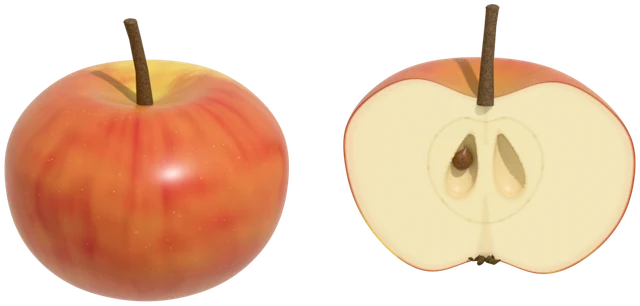
HoneycrispMinnesota, USA, released 19914
- Skin
- Red mottled and striped over yellow
- Flesh
- Cream, coarse, very juicy
- Flavour
- 3 of 9, sweet
- Texture
- 1 of 9, very crisp
- Best for
- FreshSauceKeeping
- Harvest
- Early to late Sep (mid season)
- Keeps
- 3–6 months in cold storage
- Zones
- 3–7; chill not listed
- Disease
- Scab M Fire blight R Cedar rust S
- Pollination
- Bloom group 4, needs a partner variety
- Note
- One of the hardiest major apples
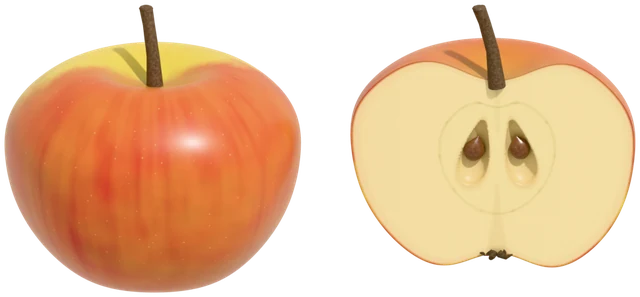
JonagoldNew York, USA, released 19684
- Skin
- Red-orange flush and stripes over yellow
- Flesh
- Cream-yellow, juicy
- Flavour
- 4 of 9, sweet-tart
- Texture
- 4 of 9, crisp
- Best for
- FreshBakingSauceCider
- Harvest
- Mid Sep to early Oct (mid season)
- Keeps
- 2–3 months in cold storage
- Zones
- 4–8; chill 700–800 h
- Disease
- Scab S Fire blight S Cedar rust R
- Pollination
- Bloom group 4, triploid: grow two other varieties with it
- Note
- Triploid: needs two pollen partners
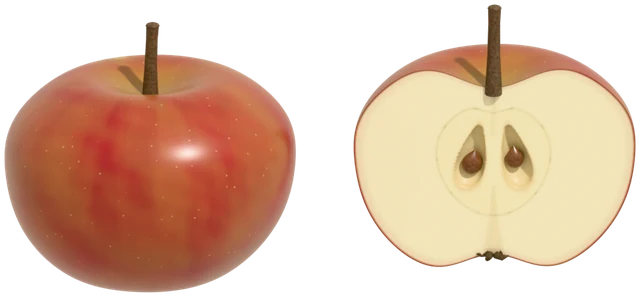
LibertyNew York, USA, released 19782
- Skin
- Red blush and stripes over yellow
- Flesh
- Cream-white, juicy
- Flavour
- 6 of 9, sweet-tart
- Texture
- 4 of 9, crisp
- Best for
- FreshSauceCider
- Harvest
- Mid Sep to early Oct (mid season)
- Keeps
- 1–2 months in cold storage
- Zones
- 4–7; chill not listed
- Disease
- Scab R Fire blight R Cedar rust R
- Pollination
- Bloom group 2, needs a partner variety
- Note
- Scab-immune, low-spray choice
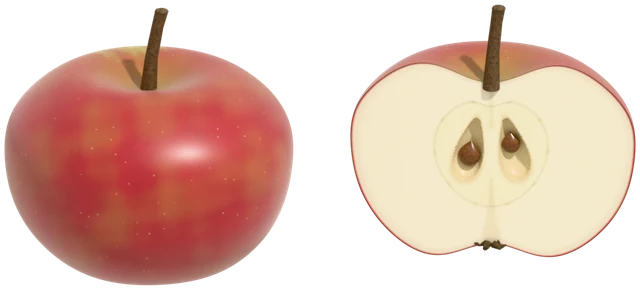
McIntoshOntario, Canada, found 18112
- Skin
- Deep red flush over green
- Flesh
- Bright white, tender, aromatic
- Flavour
- 6 of 9, sweet-tart
- Texture
- 7 of 9, tender
- Best for
- FreshSauce
- Harvest
- Early to mid Sep (mid season)
- Keeps
- 2–3 months in cold storage
- Zones
- 4–7; chill 900 h
- Disease
- Scab S Fire blight S Cedar rust R
- Pollination
- Bloom group 2, needs a partner variety
- Note
- Parent of Cortland and Empire
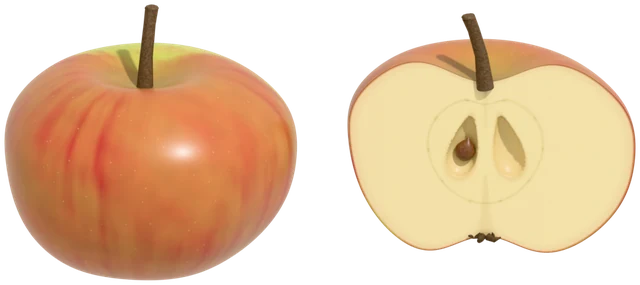
Northern SpyNew York, USA, found about 18005
- Skin
- Red flush and stripes over yellow-green
- Flesh
- Pale yellow-white, juicy
- Flavour
- 6 of 9, sweet-tart
- Texture
- 4 of 9, crisp
- Best for
- FreshBakingCiderKeeping
- Harvest
- Mid to late Oct (late)
- Keeps
- 4–6 months in cold storage
- Zones
- 4–7; chill not listed
- Disease
- Scab S Fire blight S Cedar rust S
- Pollination
- Bloom group 5, needs a partner variety
- Note
- Slow to start bearing
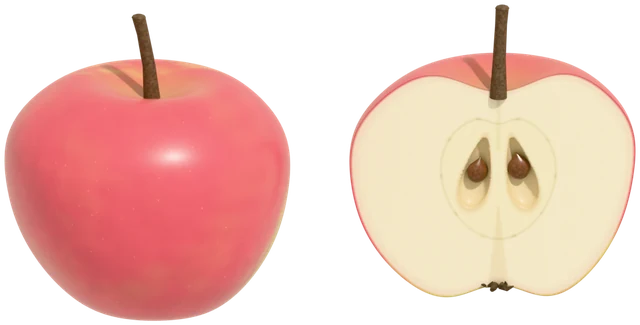
Pink LadyWestern Australia, bred 1970s3
- Skin
- Pink blush over yellow-green
- Flesh
- White, fine, slow to brown
- Flavour
- 6 of 9, sweet-tart
- Texture
- 2 of 9, very crisp
- Best for
- FreshKeeping
- Harvest
- Late Oct to mid Nov (late)
- Keeps
- 4–6 months in cold storage
- Zones
- 6–9; chill 300–600 h
- Disease
- Scab S Fire blight S Cedar rust R
- Pollination
- Bloom group 3, partly self-fertile; a partner still helps
- Note
- Colours best after cool autumn nights
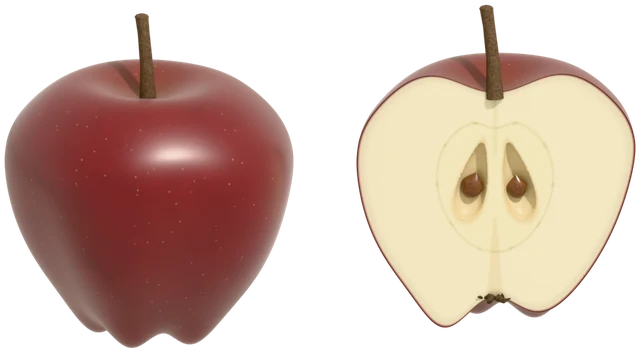
Red DeliciousIowa, USA, found 1870s4
- Skin
- Deep red, faint stripes, five crown points
- Flesh
- White to cream, fine, juicy
- Flavour
- 1 of 9, sweet
- Texture
- 5 of 9, medium
- Best for
- Fresh
- Harvest
- Late Sep to early Oct (mid season)
- Keeps
- 3–5 months in cold storage
- Zones
- 5–8; chill 700 h
- Disease
- Scab S Fire blight R Cedar rust R
- Pollination
- Bloom group 4, needs a partner variety
- Note
- Reddens before it is ripe
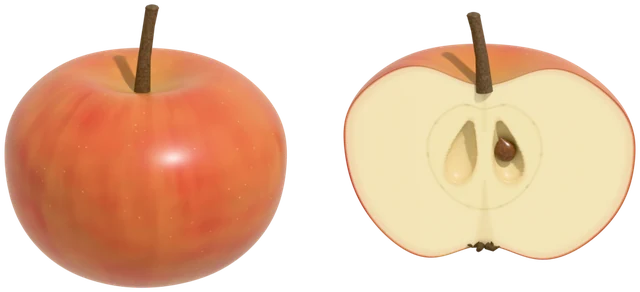
SweeTangoMinnesota, USA, selected 19994
- Skin
- Red blush, faint stripes, over yellow
- Flesh
- Creamy white, coarse, very juicy
- Flavour
- 5 of 9, sweet-tart
- Texture
- 1 of 9, very crisp
- Best for
- Fresh
- Harvest
- Late Aug to early Sep (early)
- Keeps
- 3–4 months in cold storage
- Zones
- 4–7; chill not listed
- Disease
- Scab M Fire blight M Cedar rust n/a
- Pollination
- Bloom group 4, needs a partner variety
- Note
- Ripens 2 to 3 weeks before Honeycrisp
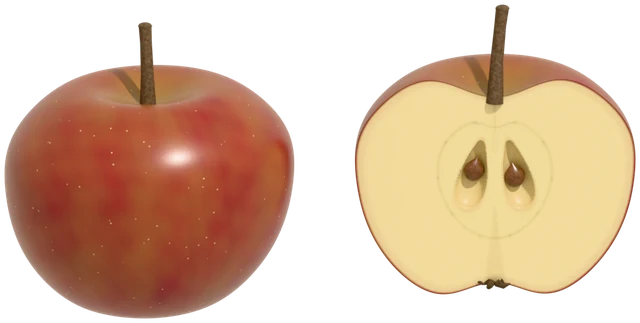
Winesapeastern USA, 1700s3
- Skin
- Dark wine-red, small pale dots
- Flesh
- Yellowish, very juicy, winy
- Flavour
- 7 of 9, tart
- Texture
- 3 of 9, crisp
- Best for
- FreshBakingCiderKeeping
- Harvest
- Early to late Oct (late)
- Keeps
- 4–6 months in cold storage
- Zones
- 5–8; chill not listed
- Disease
- Scab S Fire blight S Cedar rust R
- Pollination
- Bloom group 3, triploid: grow two other varieties with it
- Note
- A classic cider apple
2.Three apples side by side
Choose up to three varieties, or press Compare on any apple in the list above. Every row of the chart lines up so differences stand out.
| Variety | Honeycrisp | Granny Smith | Fuji |
|---|---|---|---|
| | | |
| Origin | Minnesota, USA, released 1991 | Australia, found 1868 | Japan, released 1962 |
| Parentage | Keepsake x MN1627 (MN1627 = Duchess of Oldenburg x Golden Delicious), per 2017 DNA pedigree study; originally recorded as Macoun x Honeygold | Chance seedling, possibly of French Crab | Ralls Janet x Red Delicious |
| Skin | Red mottled and striped over yellow | Bright solid green, pale lenticels | Pink-red speckled stripes over yellow-green |
| Flesh | Cream, coarse, very juicy | White to greenish, dense | White to cream, dense, very juicy |
| Flavour | 3 of 9, sweet | 9 of 9, tart | 2 of 9, sweet |
| Texture | 1 of 9, very crisp | 1 of 9, very crisp | 2 of 9, very crisp |
| Best for | FreshSauceKeeping | FreshBakingSauceKeeping | FreshKeeping |
| Harvest | Early to late Sep | Mid Oct to early Nov | Mid to late Oct |
| Keeps | 3–6 months | 4–6 months | 4–6 months |
| Zones | 3–7 | 5–9 | 5–9 |
| Chill hours | not listed | not listed | 500–600 h |
| Scab | M moderate | S susceptible | S susceptible |
| Fire blight | R resistant | S susceptible | S susceptible |
| Cedar apple rust | S susceptible | R resistant | S susceptible |
| Bloom group | 4 | 3 | 3 |
3.Sweet to tart, crisp to soft
Each apple sits by its usual flavour, left to right, and texture, top to bottom. Highlight a use to see where the pie apples or the sauce apples fall, and select an apple for its details. Positions are averages: apples taste sweeter and turn softer as they ripen and age in storage.
Honeycrisp
Minnesota, USA, released 1991
Flavour 3, sweet; texture 1, very crisp.
Cream, coarse, very juicy. One of the hardiest major apples.
FreshSauceKeeping
4.Harvest and keeping through the year
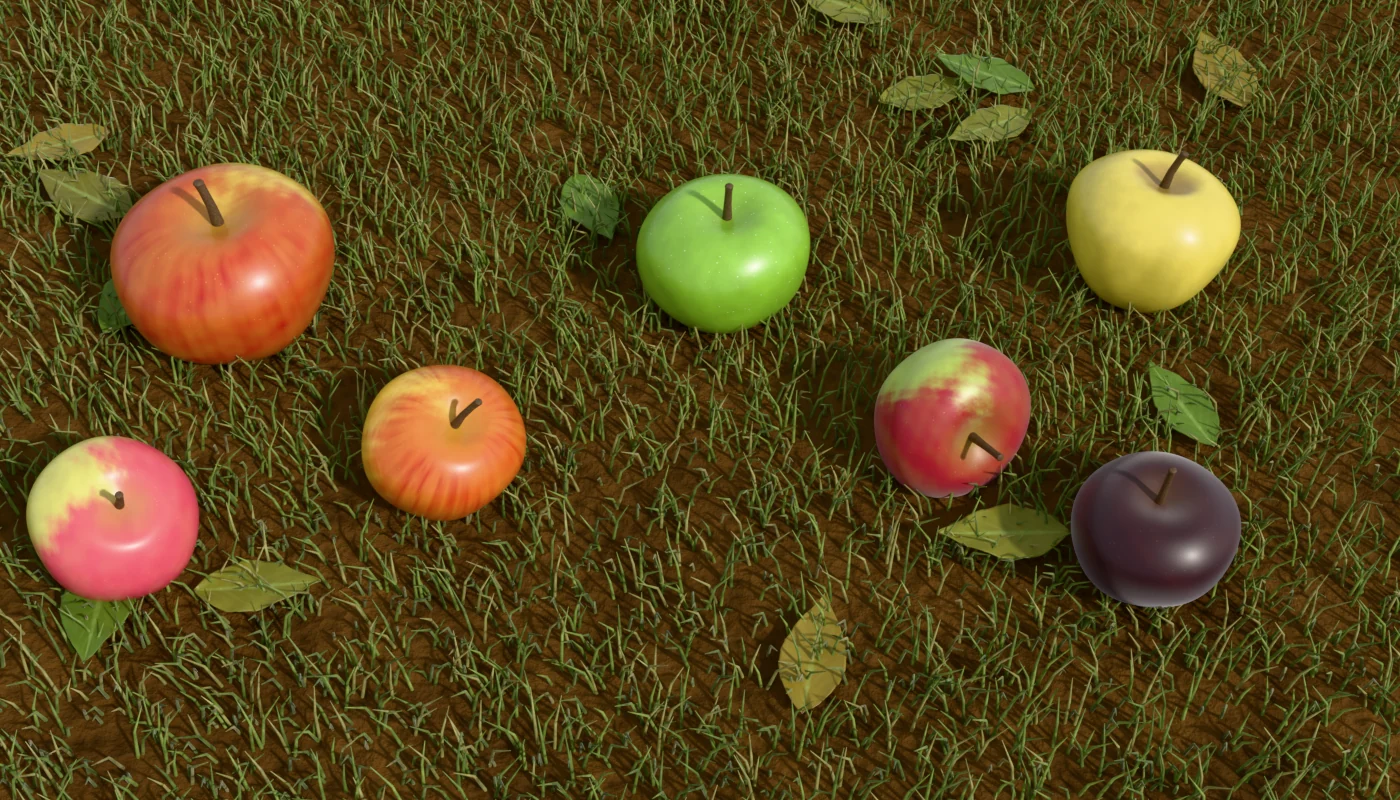
Gravenstein can be picked in late July; Pink Lady hangs on into November. Choose a month to see which apples are ready on the tree and which should still be good from cold storage.
Ready to pick in October
- Jonagold mid Sep to early Oct
- Liberty mid Sep to early Oct
- Red Delicious late Sep to early Oct
- Golden Delicious late Sep to mid Oct
- Cosmic Crisp late Sep to mid Oct
- Winesap early to late Oct
- Fuji mid to late Oct
- Northern Spy mid to late Oct
- Arkansas Black mid Oct to early Nov
- Granny Smith mid Oct to early Nov
- Braeburn mid to late Oct
- Enterprise late Oct to early Nov
- Pink Lady late Oct to mid Nov
Still good from storage in October
- Honeycrisp keeps 3–6 months
- SweeTango keeps 3–4 months
- Gala keeps 2–3 months
- McIntosh keeps 2–3 months
- Cortland keeps 2–3 months
- Empire keeps 1–3 months
| JulAugSepOctNovDecJanFebMarAprMayJun | |
|---|---|
| Gravenstein | |
| SweeTango | |
| Gala | |
| Honeycrisp | |
| McIntosh | |
| Cortland | |
| Empire | |
| Jonagold | |
| Liberty | |
| Red Delicious | |
| Golden Delicious | |
| Cosmic Crisp | |
| Winesap | |
| Fuji | |
| Northern Spy | |
| Arkansas Black | |
| Granny Smith | |
| Braeburn | |
| Enterprise | |
| Pink Lady |
Harvest shifts two to three weeks with latitude, elevation and season. Keeping times are for sound fruit in ordinary cold storage near 32°F with high humidity; the pale end of each blue bar is the longest a variety usually lasts.
5.Inside an apple
Cut an apple through the stem and you see two of its five seed cavities, the faint ring of the core line and the calyx tube running down to the dried sepals. Flesh colour, grain and how quickly a cut face browns all differ from one variety to the next.
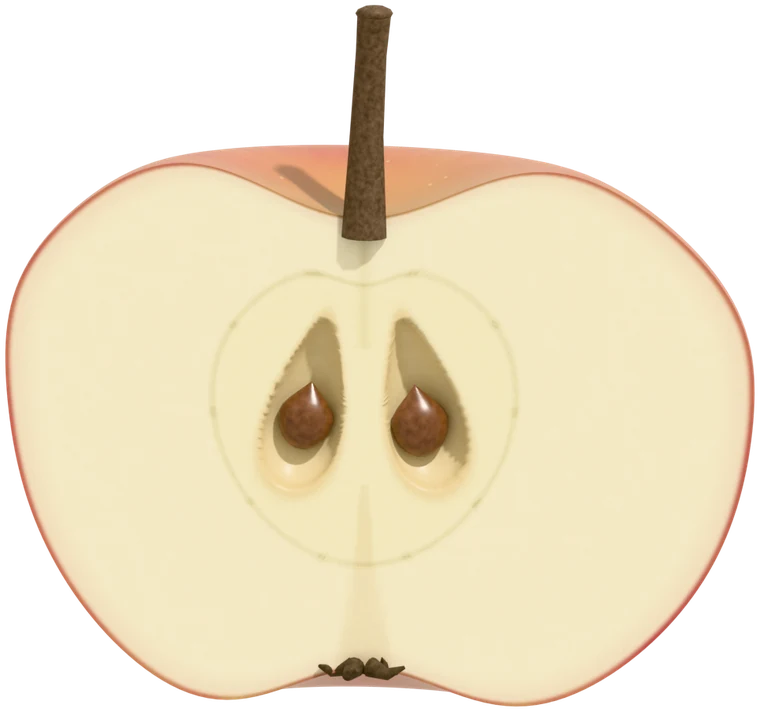
- StemShort and woody.
- Stem cavityOften russeted.
- Skin and lenticelsColour, stripes, breathing pores.
- Core lineRing of vascular bundles.
- Seed cavityFive carpels, papery walls.
- SeedUp to two per carpel.
- FleshThe swollen floral tube.
- CalyxDried sepals in the basin.
- BrowningCut flesh browns as enzymes meet air. Cortland, Pink Lady and Cosmic Crisp are slow to brown; Gravenstein browns fast.
- SeedlingsAn apple seed does not grow into the variety it came from, so every named variety is grafted onto a rootstock.
6.Bloom groups and pollen partners
Apples need pollen from a different variety in flower at the same time, carried by bees. Choose the apple you want to grow to see partners from this chart that bloom with it. Triploids, such as Jonagold, have poor pollen: grow two other varieties with them.
Honeycrisp blooms in group 4, mid to late.
Plant at least one of the partners below within about 100 feet. Crabapples in the same bloom group work too.
group 4, partly self-fertile
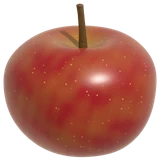
group 4
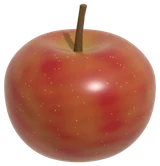
group 4
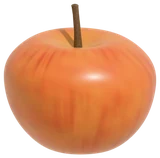
group 4, partly self-fertile
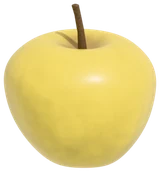
group 4, partly self-fertile
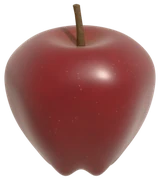
group 4
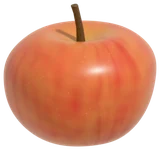
group 4
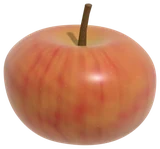
group 3, partly self-fertile
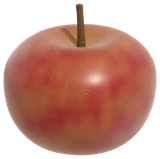
group 3, partly self-fertile
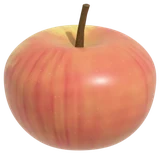
group 3
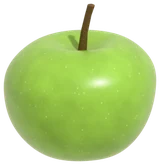
group 3, partly self-fertile
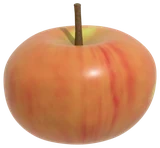
group 5
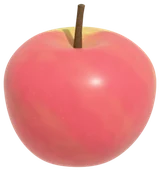
group 3, partly self-fertile
| 1 Early | Gravenstein (triploid) |
|---|---|
| 2 Early to mid | McIntosh, Liberty |
| 3 Mid | Fuji, Granny Smith, Pink Lady, Cortland, Empire, Arkansas Black (triploid), Winesap (triploid) |
| 4 Mid to late | Honeycrisp, Gala, Golden Delicious, Red Delicious, Braeburn, Jonagold (triploid), Enterprise, Cosmic Crisp, SweeTango |
| 5 Late | Northern Spy |
Sources and notes
Disease ratings follow the Purdue Extension cultivar susceptibility table, checked against the Ontario, Cooperative Extension and Pacific Northwest tables; where they disagree, the Purdue rating is used. Origins and dates come from the breeding programmes, patents and the US Apple Association. Harvest windows, keeping times and zones are typical ranges for home orchards and shift with strain, rootstock, climate and season. Chill hours are published for only some varieties. Flavour and texture positions are editorial placements from the source descriptions, not measurements.
- Purdue Extension (J. Beckerman): Disease Susceptibility of Common Apple Cultivars, BP-132-W
- Ontario Ministry of Agriculture, Food and Agribusiness: disease susceptibility ratings of common apple cultivars
- Cooperative Extension, apples.extension.org: apple cultivar susceptibility to cedar-apple rust; apple cultivar fire blight susceptibility
- Pacific Northwest Pest Management Handbooks (Oregon State, Washington State and University of Idaho): apple cultivar susceptibility table
- University of Arkansas Cooperative Extension: characteristics of recommended apple varieties
- Rutgers Cooperative Extension: Classic and Novel Dessert Apple Varieties for Commercial Orchards in New Jersey, FS1303
- University of Missouri Integrated Pest Management (M. Warmund): Harvesting Apples in October
- Iowa State University Extension and Outreach: How to Harvest and Store Apples
- Texas A&M AgriLife Extension: Texas Fruit and Nut Production, Apples (EHT-017)
- University of Arizona Cooperative Extension: low-chill deciduous fruit and nut varieties for Arizona, AZ1269
- S. K. Brown and D. E. Terry, Cornell University (NYSAES): The Cornell University Apple Breeding Program, Fruit Varieties Journal 51(4), 1997
- N. P. Howard et al., University of Minnesota: Elucidation of the Honeycrisp pedigree through haplotype analysis, Horticulture Research 4, 2017
- US Plant Patent PP18812 (University of Minnesota): apple tree named Minneiska (SweeTango)
- US Plant Patent PP24210 (Washington State University Research Foundation): apple tree named WA 38 (Cosmic Crisp)
- Washington State University: Cosmic Crisp release and orchard notes (WSU Foundation; CAHNRS News)
- US Apple Association: apple variety pages (Honeycrisp, Gala, Fuji, Granny Smith, Golden Delicious, Red Delicious, McIntosh, Empire, Cripps Pink)
- CALS Encyclopedia of Arkansas: Arkansas Black Apple
- Orange Pippin (secondary): variety pages for flowering group, ploidy, hardiness and descriptions
- Dave Wilson Nursery variety descriptions (secondary): chill hours for some varieties