
Apple Tree Pollination Chart
Almost every apple tree needs pollen from a different variety that flowers at the same time. Look up your tree's flowering group, find partners that overlap with it, plan for triploids and crabapples, and check the bee weather and frost limits at bloom.
Contents
- 1Apple trees bloom in five flowering groups
- 2Finding a partner for your tree
- 3Checking trees you already have
- 4How an apple blossom is pollinated
- 5Triploids need two partners
- 6Crabapples make useful pollinizers
- 7Bees need warm days at bloom
- 8Frost limits during bloom
- 9Placing pollinizers in a planting
- Sources and notes
1.Apple trees bloom in five flowering groups
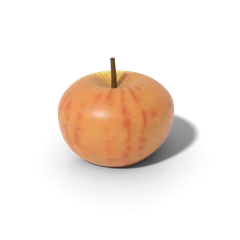
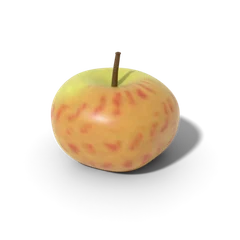
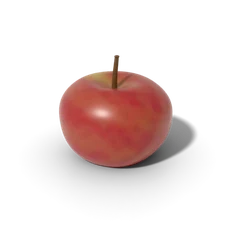
Varieties open their flowers in much the same order every spring. Gardeners sort them into flowering groups, from 1 (earliest) to 5 (latest). A tree's best partners are in its own group; the groups either side usually overlap enough. Dates move with the season and the region, so the groups give the order, not a calendar date.
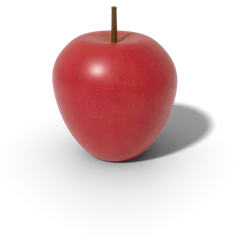
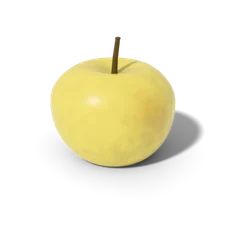
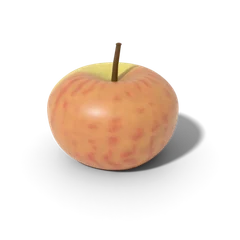
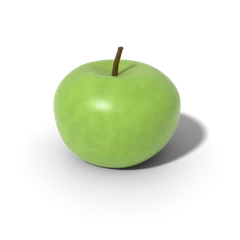
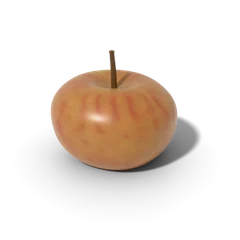
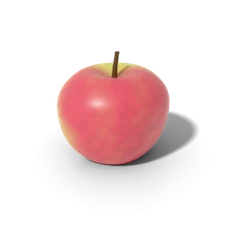
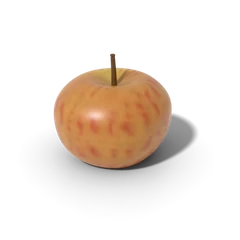
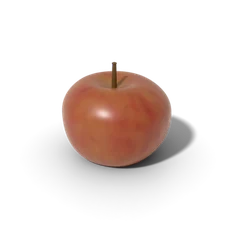
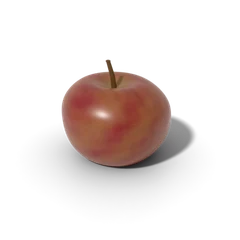
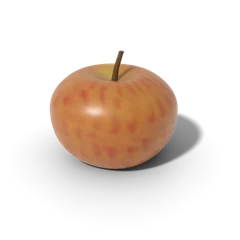
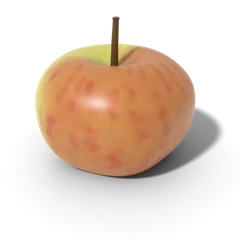
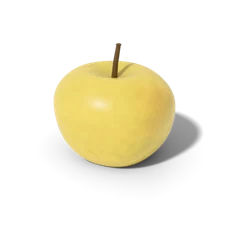
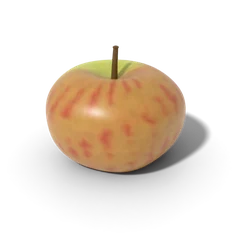
43 of 43 varieties shown.
2.Finding a partner for your tree
Pick the tree you have or want. The lists show varieties whose pollen should reach it while it is in flower: the same flowering group first, then the groups either side. Triploids are left out as pollen donors because their pollen is sterile. Select any partner to look it up in turn.
Honeycrisp
Flowering group 4, mid-late. Late bloomer in Minnesota.
BEST: SAME FLOWERING GROUP
GOOD: NEXT GROUP EITHER SIDE
NOT AS POLLEN DONORS
Triploids in reach: Bramley's Seedling, Mutsu (Crispin), Winesap, Arkansas Black, Rhode Island Greening, Jonagold, Stayman, Baldwin.
3.Checking trees you already have
Choose two or three varieties growing within about 100 feet of each other. Each tree is checked in turn: which of the others can pollinate it, and how well their flowering groups overlap.
The partner checker on the poster uses the same rules for fifteen popular varieties. Sports and strains count as the parent variety: Royal Gala with Gala, the red strains with Red Delicious.
4.How an apple blossom is pollinated
Each fruiting spur opens a cluster of six flowers. The middle one, the king bloom, opens first and usually gives the largest apple. A flower has to receive pollen from another variety within a few days of opening, and the more seeds that form, the better the fruit sizes.
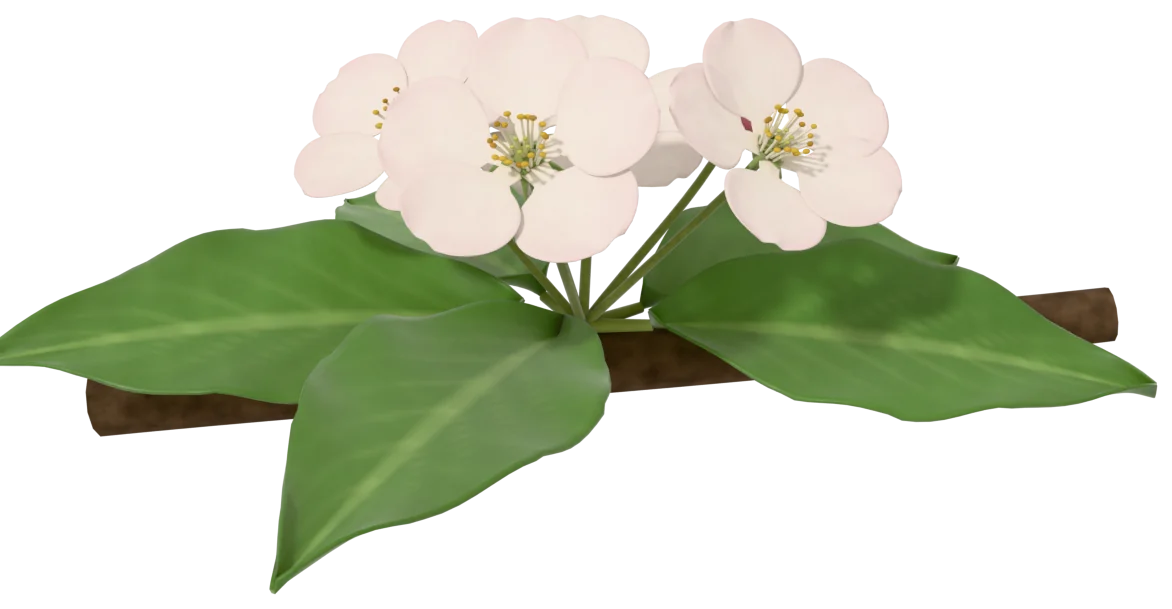
- The king bloom opensThe centre flower of each six-flower cluster opens first; the side flowers follow over the next few days.
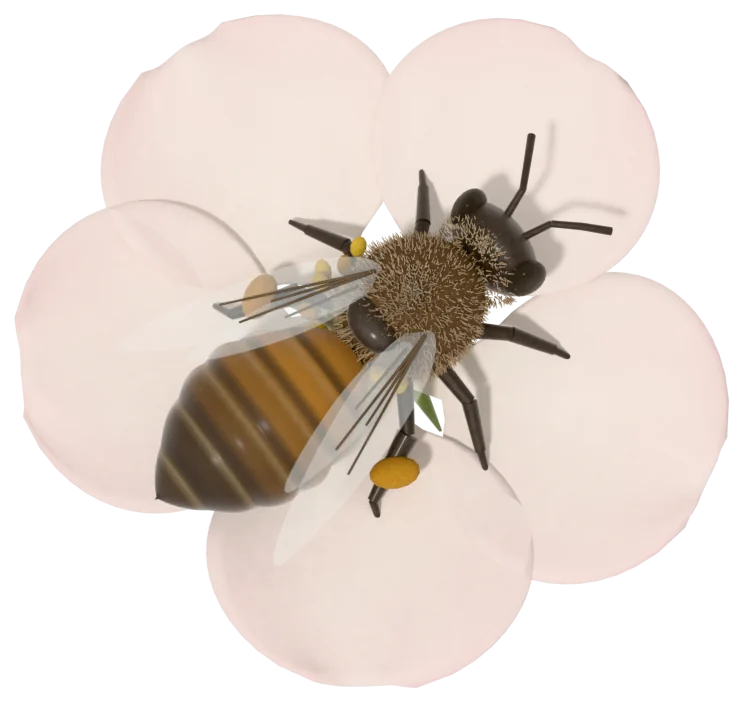
- A bee brings pollenPollen from a different variety lands on the sticky stigmas. Pollen from the same variety, or from a sport of it, does not set fruit.
- Pollen tubes grow downEach grain grows a tube down the style to an ovule. This has to happen within 2–4 days of the flower opening; cold slows it.
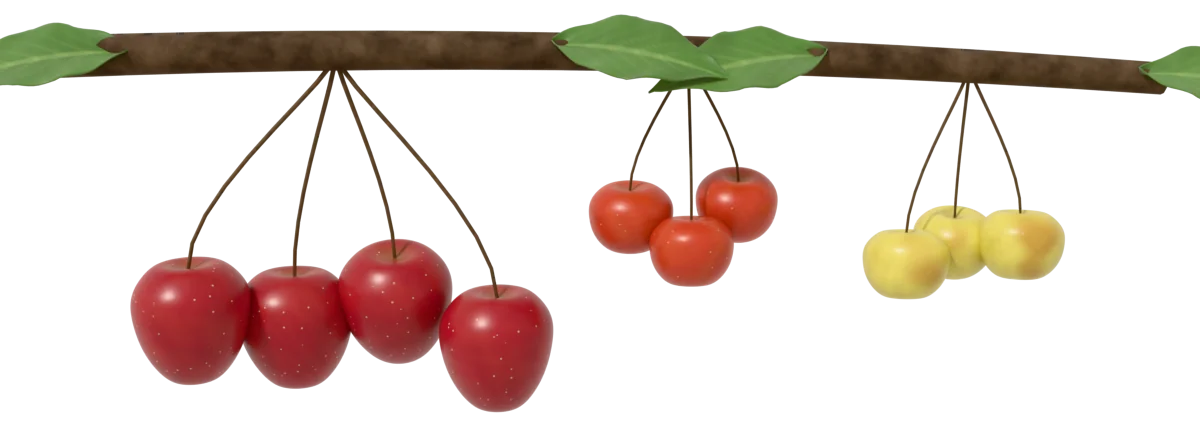
- Seeds form, the fruit swellsEach fertilised ovule becomes a seed; apples typically hold up to 10. Fruit size is linked to seed number.
- Most flowers dropOnly 2–8% of flowers need to set for a full crop. The rest fall or are thinned off.
| Flowers per spur | a cluster of six: one king bloom and five side flowers |
|---|---|
| Time to pollinate | within 2–4 days of a flower opening |
| Effective period | about 3–12 days by variety; Red Delicious is among the shortest |
| Bloom of one tree | about 7–10 days |
| Seeds | up to 10; well-pollinated fruit usually have more than 6 |
| Fruit needed | 2–8% of flowers set a full crop |
5.Triploids need two partners
A triploid variety carries three sets of chromosomes instead of two. It sets fruit well with pollen from others, but its own pollen is sterile, so it cannot pollinate anything, not even another triploid. Plant it with two other varieties that bloom with it, so that those two can also pollinate each other.
| Triploid | Group | Two partners that also cross each other |
|---|---|---|
| Gravenstein | 1 | Zestar! and McIntosh (group 2) |
| Bramley's Seedling | 3 | Fuji and Granny Smith |
| Mutsu (Crispin) | 3 | Fuji and Granny Smith |
| Winesap | 3 | Fuji and Granny Smith |
| Arkansas Black | 3 | Fuji and Granny Smith |
| Rhode Island Greening | 3 | Fuji and Granny Smith |
| Jonagold | 4 | Honeycrisp and Gala |
| Stayman | 4 | Honeycrisp and Gala |
| Baldwin | 4 | Honeycrisp and Gala |
The partner pairs here are examples, from the triploid's own flowering group where it has enough varieties; any two diploid varieties from that group or the next one will do, as long as they overlap with each other as well.
Golden Delicious is a poor choice for Jonagold, its own offspring, and may fail on Mutsu. Some sources doubt that Winesap and Arkansas Black are true triploids; plan as if they are.
6.Crabapples make useful pollinizers
A crabapple pollinates an apple and an apple pollinates a crabapple. Orchards plant crabapples among the main trees instead of whole rows of a second variety, and a flowering crab in a garden can serve a nearby apple if their bloom overlaps.
| Crabapple | Group | Bloom |
|---|---|---|
| Dolgo | 2 | early |
| Manchurian | 2 | early to mid |
| Chestnut | 2 | early; late in Minnesota |
| Snowdrift | 4 | mid to late |
| Golden Hornet | 5 | late |
- Orchards: one crabapple between every third tree in every third row.
- Plant two or three crabapple varieties with slightly different bloom times, so one is always open.
- Crabapples vary more in bloom date than apples, so match the group with care.
7.Bees need warm days at bloom
Pollen only moves when bees fly. Honey bees work best from about 65°F; bumble bees and other wild bees fly at temperatures 5–10°F lower. Cold also slows the pollen itself, so a cool, wet bloom can leave a poor set even with plenty of hives.
Is it bee weather?
Scale 35–80°F: pollen may not germinate below 41°F; tubes grow very slowly below 51°F; wild bees from about 55–60°F; honey bees from 65°F.
How many hives?
Check: on a warm, sunny day near full bloom, count 8–12 bees working one tree in 30 seconds. Fewer suggests too few hives. Blue orchard bees: about 250–300 females per acre.
8.Frost limits during bloom
Buds harden off less and less as they open. From tight cluster to petal fall, about 28°F held for 30 minutes kills 10% of the flowers and 24–25°F can kill 90%. Because a full crop needs only a few percent of the flowers to set, a light frost often still leaves enough.
| Stage | 10% killed | 90% killed |
|---|---|---|
| Silver tip | 15°F | 2°F |
| Green tip | 18°F | 10°F |
| Half-inch green | 23°F | 15°F |
| Tight cluster | 27°F | 21°F |
| First pink | 28°F | 24°F |
| Full pink | 28°F | 25°F |
| First bloom | 28°F | 25°F |
| Full bloom | 28°F | 25°F |
| Post bloom | 28°F | 25°F |
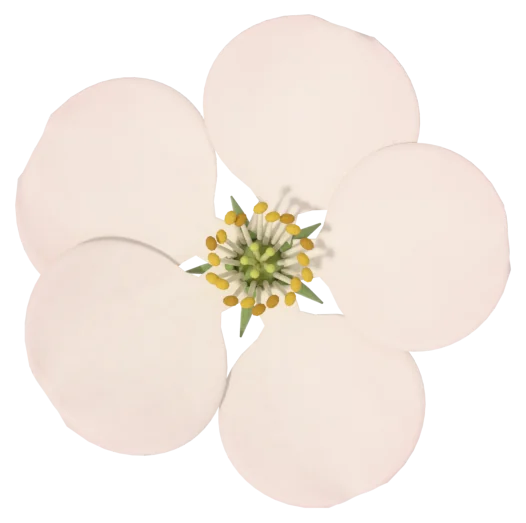
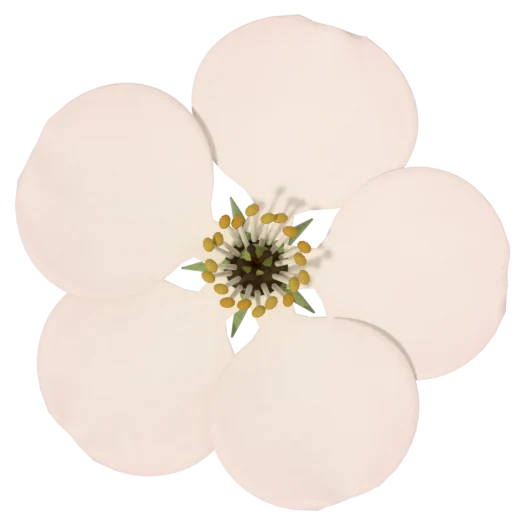
Figure 6. A day after a frost, look into the flowers. A killed centre turns brown to black even when the petals still look fine. Count how many king blooms survived before deciding the crop is lost.
9.Placing pollinizers in a planting
In a garden, two varieties that bloom together within about 100 feet are enough, or three if one is a triploid. In an orchard, the nearer the pollinizer the better, because bees tend to work along a row. Choose a pattern and the size of the block to see how many pollinizer trees it takes.
Sources and notes
Flowering groups follow the RHS pollination groups and the Orange Pippin flowering groups (1 earliest to 5 latest), cross-checked against Iowa State, South Dakota and University of Minnesota lists; where those disagree, as for Wealthy and Honeycrisp, the group shown is the common one and local bloom may differ. Hive numbers vary by source and planting density. Critical temperatures are Washington State University figures compiled by Michigan State University Extension.
- Penn State Extension: Orchard Pollination: Pollinizers, Pollinators, and Weather
- Penn State Extension: Pollination in Pennsylvania Apple and Cherry Orchards
- Penn State Extension: Home Orchards: Table 4.2. Non-Scab Resistant Apple Varieties
- Michigan State University Extension (M. Longstroth), apple data from Washington State University EB0913: Critical Spring Temperatures for Tree Fruit Bud Development Stages
- Michigan State University and The Xerces Society, Integrated Crop Pollination: Michigan Apple Pollination
- University of Wisconsin-Extension (T. Roper): Fruit Crop Pollination (A3742)
- Virginia Tech, The Virginia Fruit Page (R. D. Fell): Pollination and Honey Bees
- Cooperative Extension, apples.extension.org (M. Parker, M. Warmund): Pollinating Apples
- Iowa State University Extension and Outreach: Apple Varieties and Their Uses
- University of Minnesota Extension, Fruit and Vegetable IPM: Fruit Update, April 23, 2026
- South Dakota Department of Agriculture and Natural Resources: Apple Cross Pollination List
- NDSU Extension: The Best Crabapple Cultivars for North Dakota
- University of Florida IFAS Extension: Blue Orchard Bee, Osmia lignaria (EENY-549)
- Royal Horticultural Society: Flowering times of apples: RHS Pollination Groups
- Orange Pippin (secondary): Apple variety pages: flowering group, ploidy and self-fertility
- Home Orchard Society (secondary): Pollination for Apples: Bloom Periods